Herbs wilting in a pot, especially basil, need a moisture check before another drink. A dry root ball, a hot exposed pot and damaged wet roots can all produce drooping leaves, but the solutions differ. NParks notes that Thai basil can grow near a sunny window with at least 6 hours of sunlight daily. That light requirement does not mean every small pot can tolerate an abrupt move into intense afternoon exposure. This guide focuses on a struggling established herb plant. For choosing crops and starting a small edible garden, begin with the existing herb and microgreen guide.
On this page
Herbs wilting: is your basil thirsty or are the roots already too wet?
How can light and heat produce similar symptoms?
What should you do for dry herbs wilting in a pot?
What if the medium stays wet while basil wilts?
Could pests or leaf disease be involved?
Which products might help, and which purchases can wait?
How do you adapt care for herbs wilting on a Singapore balcony?
Herbs wilting: is your basil thirsty or are the roots already too wet?
Check beneath the surface and lift the container before watering. A lightweight pot with a dry root ball suggests a different problem from a heavy pot with wet medium and wilted leaves. Look inside any cover pot. Water collecting there can remain hidden while the leaves encourage you to add still more.
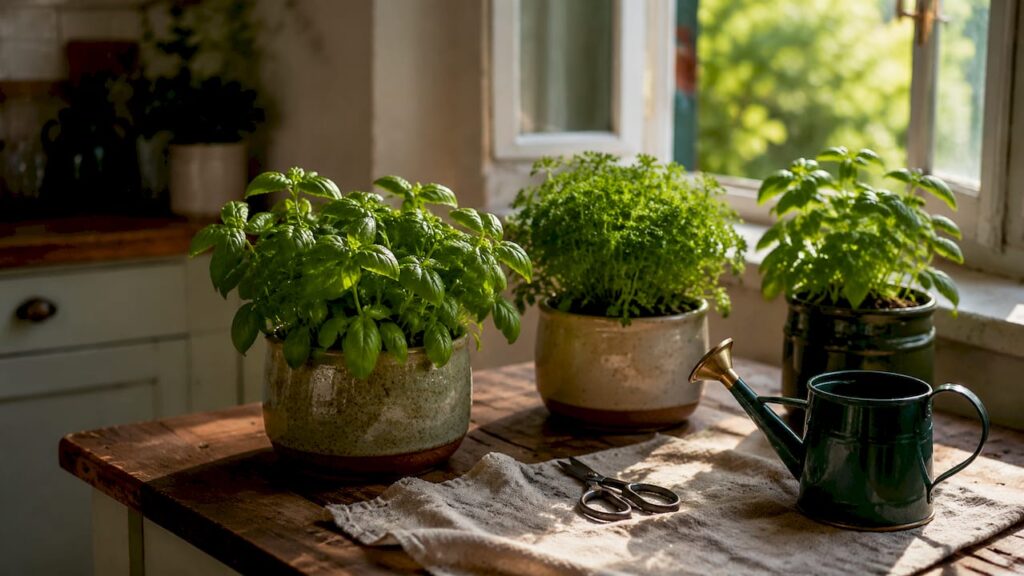
Inspect the stem near the soil line and compare older leaves with new growth. A firm plant that droops during the hottest exposure but improves later differs from one that remains limp in a wet pot. Persistent wilt, dark soft roots or a deteriorating stem base warrant the root-health assessment rather than a simple watering adjustment.
Do not use the condition of neighbouring mint, rosemary or ornamental plants as a direct watering signal. Their root systems, containers and moisture preferences differ. Even two basil pots can behave differently when one is sheltered behind a railing and the other receives wind or reflected heat from a wall.
How can light and heat produce similar symptoms?
A useful growing position supplies adequate light without creating unmanaged heat and water stress. NParks' 6-hour sunlight guidance applies to Thai basil, while your actual cultivar and position still matter. A plant grown under nursery shade may react poorly to an abrupt change, even if the eventual brighter location could suit it.
Watch where direct sun reaches the leaves and the container across the day. A black pot beside a reflective surface can experience a different environment from a pale planter several steps away. Glass, walls and balcony roofing also change exposure. Record actual sun reaching the plant rather than estimating from the brightness of the room.
Make a deliberate transition to a brighter position instead of moving a stressed plant repeatedly between extremes. If light is genuinely limited, review the grow-light selection guide. Supplemental light is a possible tool for an unsuitable indoor position, not an automatic remedy for wilting in saturated medium.
What should you do for dry herbs wilting in a pot?
Rewet the root ball evenly and allow excess water to drain when the evidence indicates dryness. Apply water gently so it enters the medium instead of racing down gaps along the container wall. Check that the centre has become moist. A wet saucer does not prove that a dry root ball absorbed enough water.
Protect the plant from severe exposure while it regains stability, but do not move it permanently into a dark room. Remove only material that is clearly dead or unusable. A heavily stressed plant may not recover every leaf, so judge the next growth and overall firmness rather than demanding an immediate perfect appearance.
If the pot repeatedly becomes dry before you can reasonably check it, consider whether the root system has filled the container or whether the position is too exposed for its size. A suitable larger planter may help a healthy crowded plant, but increasing volume is not appropriate when roots are weak or the medium stays wet.
What if the medium stays wet while basil wilts?
Stop assuming that wilt means thirst. Check drainage holes, trapped water and the condition of the root zone. The surface of a large planter can dry while deeper medium remains wet. Rainfall can also supply substantial water even when the planter sits under partial cover and appears sheltered from most showers.
If the plant is declining and the root zone remains saturated, inspect carefully for root deterioration. Separate it from healthy herbs while you assess the problem. Do not keep applying fertiliser or sprays to compensate for damaged roots. Those additions do not correct a blocked outlet or an oversized water-retaining container.
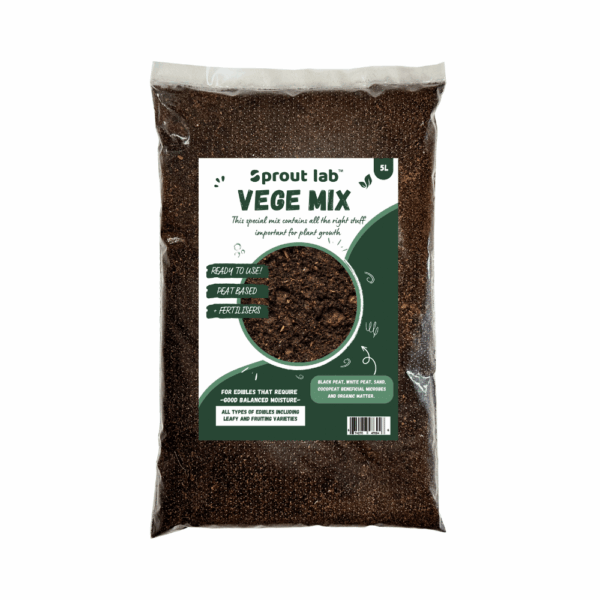
When replacement medium is justified, use a suitable edible-container mix such as Vege Mix in a draining pot matched to the surviving roots. This recommendation concerns the growing medium, not disease control. Review slow-draining potting soil before modifying the blend.
Could pests or leaf disease be involved?
Look for living pests, distorted new growth, sticky residue, webbing or a pattern of damaged tissue before selecting a treatment. Turn leaves over and inspect stem joints. A plant can have more than one problem, so finding a few insects does not automatically explain severe wilt in a waterlogged pot.
Disease and environmental injury can also overlap visually. Yellow areas, brown patches or leaf collapse deserve a closer look, especially when they continue spreading after the moisture problem is corrected. Take photographs of both leaf surfaces and the whole plant. A diagnosis based on one cropped leaf image is easily mistaken.
Because basil is eaten, confirm that any pest-control label specifically permits the crop, target pest and intended use. Follow harvest and application restrictions. An ornamental plant spray or a product called natural is not automatically appropriate for edible leaves. If identification is uncertain, isolate the plant and seek guidance rather than experimenting with mixed household sprays.
Which products might help, and which purchases can wait?
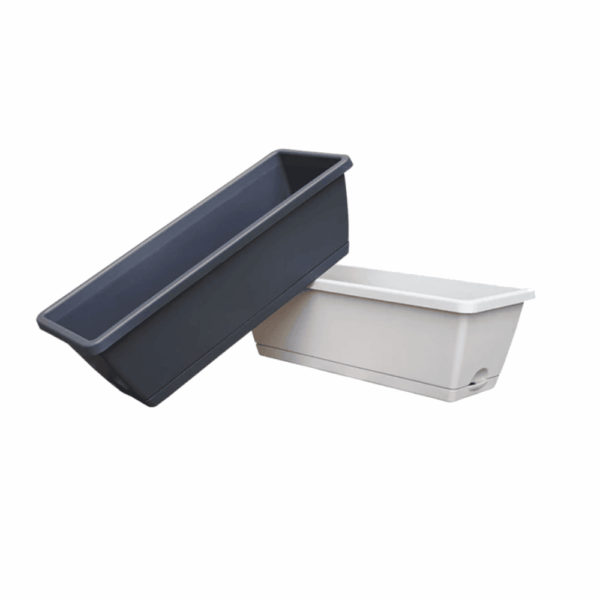
Choose a product only after identifying a limiting condition. Vege Mix is relevant when established herbs need appropriate replacement medium. A rectangular planter may suit a healthy crowded herb arrangement if its drainage and dimensions fit the site. Neither is necessary when the immediate problem is simply water trapped in a cover pot.
For inadequate indoor light, consider the T5 grow light only after reviewing its coverage and installation requirements. Keep electrical equipment away from watering and rain. The required position depends on the fixture, so do not copy a generic lamp distance without checking the product guidance.
Feeding should follow evidence of active growth and the fertiliser label's suitability for edible plants. Do not double the dose because leaves look pale. Do not use flowering or recovery product descriptions as evidence that they treat basil disease. The most useful purchase can be no purchase at all when the environmental correction is sufficient.
How do you adapt care for herbs wilting on a Singapore balcony?
Use a short site diary to distinguish recurring conditions. Note when direct sun reaches the plant, whether wind-driven rain wets the pot and whether the container is dry or heavy before watering. This original decision framework is meant to organise observations, not claim that every balcony follows the same climate pattern.
For example, a basil plant on an exposed ledge may wilt after a bright, windy period, while another behind a screen remains wet. Applying the same morning water volume to both can create opposite problems. Group pots with similar needs, keep trays accessible and leave shared corridors and drainage routes clear.
Consider practical care access as part of container selection. If a pot is difficult to lift or inspect, you are more likely to guess about moisture. A manageable arrangement with visible drainage is preferable to an impressive display that hides standing water. Keep edible plants away from contaminated runoff and follow local corridor-gardening requirements.
When should you reassess or replace the plant?
Reassess if wilt persists despite a correctly moistened root ball and suitable exposure, or if the stem base softens and damage spreads. Check what changed after the initial intervention. Continuing decline can indicate that the original diagnosis was incomplete. Repeating the same treatment more aggressively is not a substitute for fresh evidence.
Track new leaves separately from old damaged ones. Older wilted or scorched tissue may not return to its previous form. If healthy new growth appears and water use becomes predictable, maintain consistent conditions rather than adding another product. If disease is suspected on edible foliage, obtain reliable identification before deciding what can be harvested.
Sometimes restarting with healthy material is more practical than maintaining a severely compromised herb. Clean the container and reassess the position before replanting, otherwise the same pattern may recur. Use the seedling troubleshooting guide if the replacement plants stretch or collapse during establishment.
Herbs wilting: a quick morning check
When you notice herbs wilting, check in the morning before the day heats up. Feel the pot’s weight, look at the leaves and check below the surface. Leaves that recover overnight often point toward heat or water stress, while leaves that stay limp in cool conditions need a closer look at the roots.
Herbs wilting after a repot or a move can be a transplant reaction, so give the plant steady light and avoid sudden changes. Keep a short note of when you watered and moved the pot so you can see a pattern.
If herbs wilting keeps returning, try a different container or mix before assuming disease. The Vege Mix page lists its ingredients so you can match the medium to the crop, but a new mix will not fix a watering or light problem on its own.
Herbs wilting after a heatwave or a move
Herbs wilting after a hot afternoon may recover by morning, while herbs wilting after a move may need a few days to adjust. Compare herbs wilting at different times of day before changing your watering.
Herbs wilting in a small pot dry out quickly on a sunny balcony, so a larger container or a lightly shaded position can help. Check that herbs wilting are not simply sitting in a saucer of water.
Keep notes when herbs wilting appears: the time of day, the weather, how heavy the pot felt and when you last watered. These details show whether herbs wilting is a dryness, heat or wet-root problem.
Herbs wilting: when to act
Act quickly when herbs wilting comes with black stems, a sour smell or collapsed growth, because these signs suggest damaged roots rather than thirst. Herbs wilting from dryness usually perk up soon after a proper watering.
If herbs wilting persists, take cuttings from healthy stems as a backup while you fix the root zone. Our herb growing guide covers choosing and starting herbs.
Herbs wilting repeatedly in the same pot is a sign to rethink the container, the medium or the position instead of simply adding water.
Products to consider
Vege Mix and a suitable draining planter are relevant to demonstrated root-zone or container problems. The T5 light is conditional on inadequate indoor light. No spray is recommended for basil without an edible-crop label check.
Common questions
Should I water basil every day in Singapore?
Check the root zone rather than assuming a daily rule. A small exposed pot can need attention more often than a sheltered larger planter. Rainfall, root mass and medium also matter. Water when the plant and root-zone evidence indicate a need, then allow excess water to leave.
Why does basil wilt even when its soil is wet?
Wet-root damage, poor drainage, severe environmental stress or disease may be involved. Check the stem base, lower medium and drainage arrangement. Do not add more water automatically. Persistent decline in saturated medium needs a root assessment, while spreading leaf symptoms may require identification beyond basic watering advice.
Will fertiliser revive a wilted herb immediately?
Fertiliser does not replace water, functioning roots or suitable light. Stabilise the growing conditions first. Resume appropriate label-directed feeding when the plant is actively growing, and check that the product is suitable for the edible crop. More fertiliser is not a reliable rescue treatment.
Why are my herbs wilting even though I water them?
Wilting can come from wet-root damage as well as dryness. Lift the pot and check below the surface before adding more water, as described earlier.
Can herbs wilting recover on their own?
Some do once heat or dryness is corrected, but if roots have been damaged by sitting in water, recovery may be slow or incomplete. Reassess after a few days.
Why are my herbs wilting in the afternoon?
Herbs wilting in the afternoon often reflect heat and sun exposure. If herbs wilting recover by evening, shade or a larger pot may help.
Should I cut back herbs wilting badly?
Remove clearly dead stems, but avoid heavy pruning while herbs wilting are stressed. Let the plant recover first.