Water pooling on a pot does not prove the soil is too wet. Compacted potting soil, a very dry water-repellent root ball and a blocked drainage hole can look similar from above. Each needs a different response. NParks explains that container medium changes as organic material breaks down, which is why old mix deserves periodic reassessment. Before buying perlite or replacing every pot, observe where water goes and what remains wet. This guide is for established container plants; it does not replace the separate needs of hydroponic systems or seed-germination media. Begin with the plant-to-mix guide if the plant's medium requirements are unclear.
On this page
Is the problem compaction, dryness or a blocked outlet?
Why does previously useful potting mix stop behaving well?
What can you correct in compacted potting soil without disturbing the roots?
When is a full repot better for compacted potting soil?
Should you choose potting mix, perlite or pumice?
How can you test a new setup before changing every pot?
Is the problem compaction, dryness or a blocked outlet?
Observe the next necessary watering from start to finish. If water pools on top and the lower medium stays saturated, drainage may be restricted. If water races down the pot wall while the centre remains dry, uneven wetting is more likely. If the outer pot fills with water, the container arrangement needs attention regardless of mix quality.
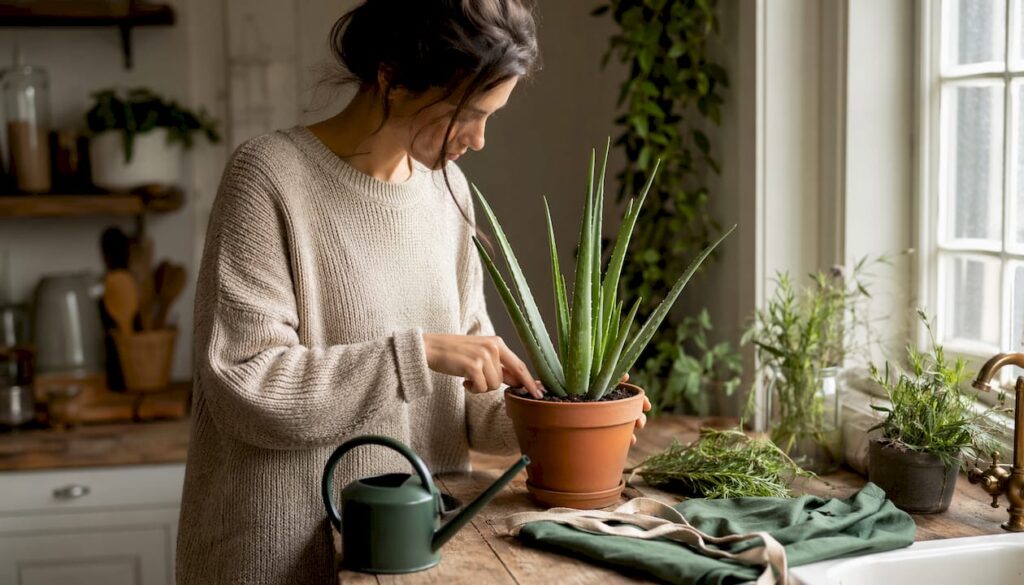
Lift the inner pot and inspect its base. Roots, sediment, a fitted saucer or an impermeable liner can interfere with the intended outlet. Use gentle handling rather than pushing sharp objects deep into the root ball. Confirm that water leaving the pot has somewhere to go instead of returning into the bottom of the container.
Next compare moisture near the edge with moisture nearer the centre. A single surface reading can be misleading. Write down whether the medium feels dense and muddy, dry and detached from the pot wall, or fibrous and reasonably open. These observations are more useful than describing all drainage problems as 'bad soil'.
Why does previously useful potting mix stop behaving well?
Growing media change with use. NParks describes the breakdown of organic matter and resulting changes in container soil structure. Roots also occupy space, while repeated additions of fine material can alter how the original mix behaves. A pot can therefore need attention even when you have not changed your watering habit.
Consider what has been added since planting. Repeated compost top-ups, decomposing leaf litter or fine garden soil may create a different surface from the original medium below. Water can move unevenly between these layers. A thick decorative topping may also conceal moisture and make inspection less reliable.
Physical handling matters too. Pressing medium firmly around roots to stabilise a tall plant can reduce useful pore space. The solution to an unstable climber may be a support, not harder packing. Conversely, a mix with large gaps around the root ball may need careful settling, rather than more coarse material added blindly.
What can you correct in compacted potting soil without disturbing the roots?
Correct external restrictions first. Empty trapped water, remove a blocking liner and place the growing pot where its holes remain open. Check the saucer after rain as well as after hand watering. If the plant is healthy and the medium still has useful structure, these changes may solve the immediate problem without a repot.
For a dry root ball that sheds water down the sides, rewet slowly and evenly when watering is due. Pause between applications so water can enter the medium rather than immediately escaping. Verify that the centre becomes moist and then let excess water drain. Do not leave the pot indefinitely soaking in a decorative vessel.
Avoid repeatedly stabbing the soil with a chopstick as a cure for every case. You may damage roots while leaving the main structural problem unchanged. Gentle loosening of a crusted surface is different from deep mechanical disruption. If the whole root zone is dense or decaying, a controlled repot is easier to assess.
When is a full repot better for compacted potting soil?
Repot when the medium has become unsuitable through the root zone, the plant is genuinely root-bound, or damaged roots require examination. Persistent wetness together with declining plant condition deserves the root-rot decision guide. Do not keep adding dry material on top while the original saturated centre remains untouched.
Prepare fresh medium suited to the species and a clean draining container. Decide whether size actually needs changing. A plant with a healthy crowded root mass has different needs from a plant with few surviving roots. Keeping the same container size can be sensible when the main problem is worn-out medium rather than lack of room.
During the repot, remove loose old material carefully and inspect the roots. Do not strip every healthy root purely to make the root ball look clean. Pay particular attention to a dense original plug surrounded by a much coarser mix. Large contrasts inside one pot can make future watering difficult to judge.
Should you choose potting mix, perlite or pumice?
Choose Potting Mix when the plant needs a suitable complete replacement medium. Consider horticultural perlite or pumice only when an existing suitable base needs a deliberate structural adjustment. NParks describes inorganic amendments as useful for aeration and drainage, but particle size and context matter.
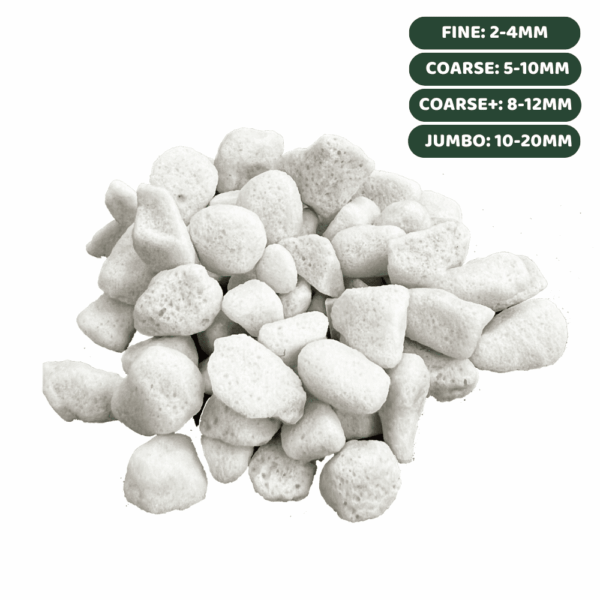
Perlite is light, while pumice offers a heavier mineral option. Neither supplies a universal recipe for every container. A seedling cell, a shallow herb planter and a large indoor foliage pot should not automatically receive the same blend. Consider root size, watering access and exposure before deciding whether a coarser texture is useful.
Mix amendments through the relevant medium during repotting instead of creating a coarse layer at the bottom. A surface dressing may change appearance without changing the root zone. If your current potting mix works well, there is no requirement to buy an amendment simply because another grower uses one.
How can you test a new setup before changing every pot?
Use a small, controlled comparison with a suitable plant rather than rebuilding the whole collection. Record the container dimensions, medium used, location and watering method. Observe how evenly the medium wets and how its weight changes afterwards. This is a household decision aid, not a laboratory measurement of porosity.
Keep other conditions reasonably similar so the result is interpretable. Moving the test pot into stronger sun while changing its mix makes the comparison less useful. If you have only one valuable specimen, use an empty sample container to learn wetting behaviour first, while recognising that roots will later change water use.
Do not measure success only by rapid runoff. Water can bypass a dry root ball very quickly. Look for even moisture, a functioning outlet and a healthy plant response over subsequent watering cycles. A mix that needs attention more frequently than your schedule allows may not be a practical improvement.
What does this look like on a rainy Singapore balcony?
Imagine a sheltered planter that normally receives hand watering, then catches wind-driven rain during a wet spell. The owner adds more water because the top still looks light-coloured. This illustrative case shows why exposure history matters: check the lower medium and saucer before deciding that the plant needs either water or a new mix.
If rainfall keeps the pot continuously wet, improve shelter or drainage access first. A highly moisture-retentive blend may suit a sunny exposed herb planter but behave differently under a covered ledge. Medium choice should reflect both the plant and the position. A useful mix is one you can water consistently in that setting.
If several neighbouring pots have different sizes or plant species, assess them separately. A tiny herb container may dry while a deep ornamental pot remains wet. Grouping plants by watering needs can simplify care more effectively than making every pot contain the same ingredients or watering all of them together.
How do you stop the same problem returning?
Review the medium when you notice a persistent change in watering behaviour, rather than waiting for severe decline. Keep records of repotting and major additions. Store unused mix dry enough for its packaging instructions and away from contaminated garden debris. Close bags after use so their contents remain identifiable and manageable.
Keep drainage holes accessible, empty cover pots and avoid accumulating unidentified layers on the surface. Use a support for a top-heavy plant instead of repeatedly compacting the root zone. When topping up is necessary, consider whether the material matches the existing medium rather than choosing whatever is closest at hand.
For aroids, continue with the Monstera and Philodendron repotting guide. For balcony edibles, read the basil wilt guide. Both show why drainage is part of a complete growing setup, not a standalone guarantee that a plant will thrive.
How to spot compacted potting soil
Compacted potting soil tends to feel dense and hard, shrinks away from the pot wall and sheds water instead of soaking it in evenly. Press a finger gently into the surface and lift the pot: a heavy pot with a crust or tightly packed medium suggests compaction, while a very light pot with a dry core points to a different problem.
Compacted potting soil does not always need replacing. Loosen only the surface crust carefully, avoid cutting into the root zone, and watch whether water now moves through evenly before deciding on a full repot.
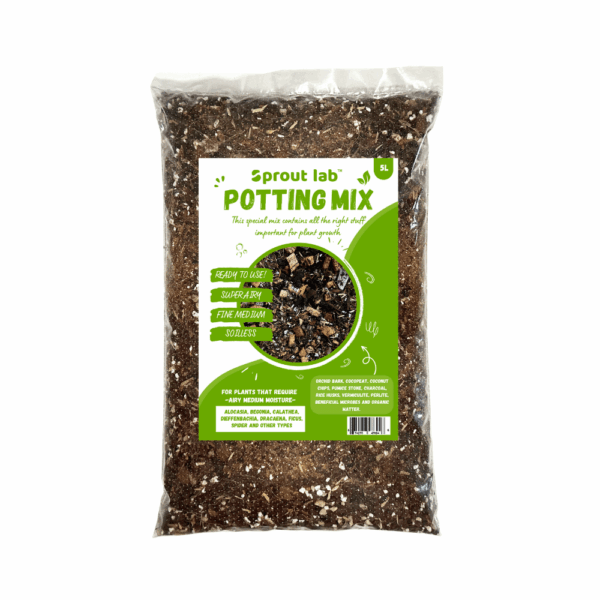
To keep potting soil from compacting again, avoid pressing it down hard when filling the pot, refresh the medium when it has lost its structure, and choose a mix with enough coarse material for your plant. The Potting Mix page lists its ingredients so you can compare.
What compacted potting soil does to roots
Compacted potting soil leaves less air between particles, so roots receive less oxygen and water drains slowly. Plants in compacted potting soil may wilt even when the pot is wet.
Compacted potting soil often develops in old mix that has broken down, in pots that were packed too firmly or in mixes with too little coarse material. Checking for compacted potting soil is part of any repotting decision.
A pot of compacted potting soil may also be hard to rewet once it dries, so water runs down the sides. This is why compacted potting soil and dry water-repellent medium can look alike.
Choosing a replacement for compacted potting soil
When replacing compacted potting soil, pick a mix with enough structure for your plant. Perlite and pumice add air space, and bark adds coarse particles, while compost alone may break down and compact again.
Fresh potting soil does not need to be fast-draining for every plant. Match the replacement for compacted potting soil to the plant’s roots and your watering habits.
Our soil mixes page and the Which Mix finder can help you choose a replacement for compacted potting soil.
Preventing compacted potting soil
To prevent compacted potting soil, fill pots loosely, avoid pressing the mix down hard and refresh the medium when it has lost structure. Watch for the early signs of compacted potting soil, such as pooling water and a hard crust.
Repot in good time, because old potting soil left too long tends to become compacted potting soil. Keep a note of when you last refreshed each pot.
Products to consider
Potting Mix is the complete-medium option for suitable soil-grown plants. Perlite and pumice are conditional structural amendments, not cures for blocked pots or root disease.
Common questions
Will perlite on top fix compacted soil?
It will not restructure a compact centre beneath the surface. If an amendment is appropriate, incorporate it into the relevant growing medium during a careful repot. First rule out a blocked outlet or water-filled cover pot, because those problems remain even with a coarse blend.
Does faster drainage always mean a better mix?
No. Water rushing down the container wall can leave the root ball dry. A useful mix wets reasonably evenly, lets excess water leave and retains enough moisture for the plant between checks. The appropriate balance depends on the plant, container and growing position.
Can I keep adding compost instead of repotting?
Occasional suitable additions are different from repeatedly burying an exhausted or saturated root zone. Look at the whole pot and the root condition. If the medium has become dense throughout or the roots have filled the available space, a planned repot may be more useful than another surface layer.
How do I know if my potting soil is compacted?
Look for water pooling or running down the pot wall, a hard surface crust, and a medium that stays dense when you lift the plant. Observe the next watering before changing anything.
Can compacted potting soil be rescued without repotting?
Sometimes. Loosening the surface and correcting watering can help, but if the medium has broken down throughout, a full repot is usually the better option, as covered above.
Does perlite help compacted potting soil?
Perlite mixed into fresh potting soil adds air space, but sprinkling it on top of compacted potting soil does little. Replace or loosen the medium instead.
Why does potting soil get compacted over time?
Organic material in potting soil breaks down, and watering and handling pack it down. Compacted potting soil is a sign the medium has lost its structure.