A brown patch is dead or damaged tissue, not the name of a disease. Fungal or bacterial leaf spots, sun exposure, spray injury, physical damage and root problems can overlap in appearance. University of Maryland Extension includes several of these possibilities in its indoor-plant diagnostic guidance. The useful question is not simply whether the spot looks fungal, but what changed, where damage appears and whether new lesions keep forming. This guide builds a practical evidence trail for Singapore homes and balconies. If the main symptom is general yellowing rather than isolated spots, first read the yellow Monstera leaf guide.
On this page
What should you record before treating leaf spots?
What pattern makes sun damage more plausible?
What pattern suggests leaf spots need investigation?
Could sprays, fertiliser or handling explain the leaf spots?
What low-disruption actions help while you investigate?
Which products are relevant, and when should you buy nothing?
What should you record before treating leaf spots?
Photograph the entire plant, both sides of affected leaves and the surrounding position. Record when damage first appeared and what changed beforehand: relocation, brighter sun, a new spray, repotting, rainfall or altered watering. A timeline is often more informative than comparing one close-up with unrelated images found online.
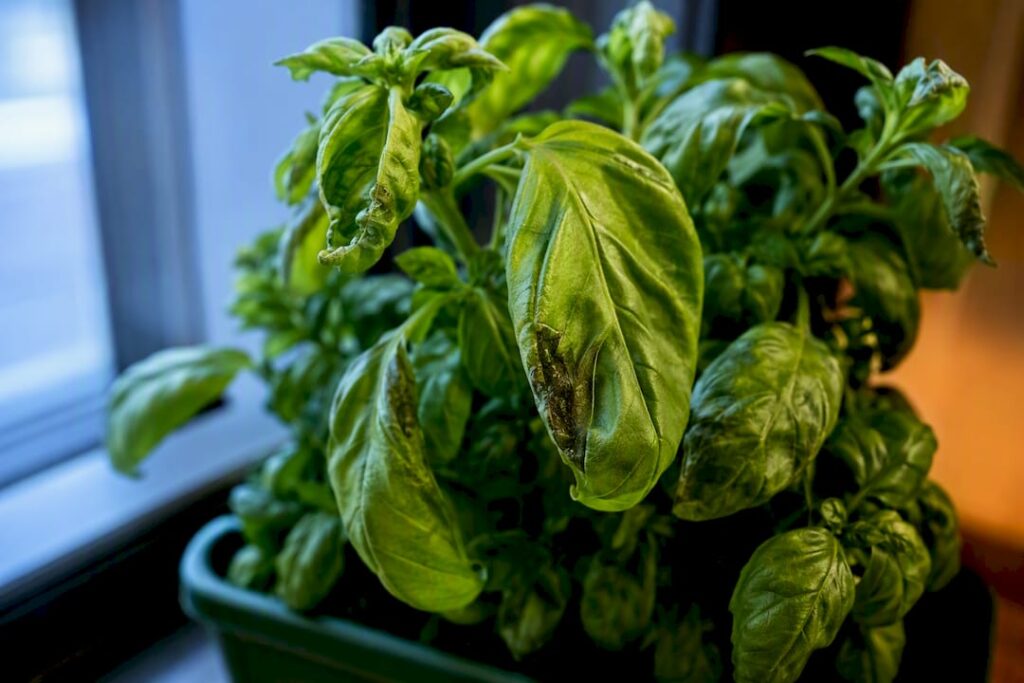
Mark affected leaves in your notes rather than drawing directly on the plant. Describe whether spots are dry, soft, water-soaked, sharply defined or spreading. Note which leaves are affected: exposed upper leaves, shaded lower leaves, new growth or only older tissue. These distinctions help organise possibilities without pretending that appearance alone identifies the organism.
Keep the plant reasonably separated if an infectious problem is plausible. Avoid sharing wet cloths or cutting tools between it and healthy plants. Continue appropriate basic care while gathering evidence. Uncertainty does not justify either neglect or a sequence of unrelated chemical treatments.
What pattern makes sun damage more plausible?
Sun damage becomes more plausible when patches appear after a move into stronger exposure and affect the surfaces facing that light. University of Minnesota Extension warns that indoor-grown leaves can scorch after abrupt outdoor exposure. A bright indoor window and direct balcony sun are not equivalent conditions, even when both locations look sunny.
Compare exposed leaves with those protected by neighbouring foliage. Check whether a window curtain was removed, a shade screen moved or another plant pruned back. The plant can experience a light change even when its pot never moves. Reflected light and hot surfaces can also change the conditions around a balcony display.
Correct the exposure gradually and watch subsequent growth. Damaged tissue will not become green again, so a persistent old patch does not prove ongoing injury. Avoid moving the plant into a dark corner indefinitely. The aim is suitable light for the species with a manageable transition, not eliminating light entirely.
What pattern suggests leaf spots need investigation?
New spots appearing on additional leaves, lesions enlarging under favourable conditions or associated soft tissue warrant closer disease assessment. Fungi and bacteria can both cause spots, and the management may differ. The University of Minnesota Extension leaf-spot overview describes a wide range of shapes and colours, which is why one visual feature is rarely definitive.
Inspect the rest of the plant and its neighbours. Look for repeated patterns, wet foliage, overcrowding and splash routes. A new lesion on a leaf that was previously clean is more useful evidence than a photograph of an old damaged patch. Keep dates with images so apparent progression can be assessed accurately.
Do not assume that a yellow halo proves a fungal infection. Different causes can produce similar boundaries around dead tissue. If the diagnosis matters for treatment or the plant is deteriorating rapidly, seek knowledgeable identification. A disease name generated from a single photograph should be treated as a hypothesis requiring confirmation.
Could sprays, fertiliser or handling explain the leaf spots?
Review every product recently applied, including cleaners, foliar fertilisers, pest sprays and improvised mixtures. Injury can follow application conditions, concentration or incompatible combinations. A droplet-shaped pattern after spraying is a clue, not proof. Preserve the product labels and note what was mixed or applied close together.
Physical damage also changes appearance over time. A leaf bent against a window, rubbed by a support or trapped while unfurling may later develop a brown scar. Ask whether the damage aligns with a contact point. Repeated abrasion from a moving fan or a crowded walkway can create a recurring problem that no fungicide will solve.
Excess fertiliser salts and root stress may contribute to leaf-edge damage rather than isolated infectious spots. Check the root zone when symptoms include widespread wilt or tip burn. Read the root-health guide if the pot remains wet and the plant declines, instead of treating the leaves in isolation.
What low-disruption actions help while you investigate?
Create enough space to inspect the plant, keep tools clean and avoid unnecessary wetting of foliage. Remove fallen damaged leaves from the pot surface. These actions improve hygiene and observation without claiming to cure an unidentified disease. Keep runoff from the affected plant away from neighbouring containers where practical.
If sun exposure clearly changed, return the plant to a suitable protected position and plan a gradual adjustment. If a spray reaction is suspected, pause additional foliar products and review the label. If roots appear compromised, follow a root-specific assessment. Choose the action that matches the evidence rather than doing all of them automatically.
Do not remove most of the foliage just to create a clean-looking plant. Consider how much functioning tissue remains and whether the affected leaf is still useful. When pruning is appropriate, use clean tools and handle removed material carefully. A cosmetic improvement after pruning is not proof that the underlying cause has stopped.
Which products are relevant, and when should you buy nothing?
No catalogue product should be presented as a universal cure for brown leaf spots. A treatment needs a confirmed target and a current label covering the plant and use. This guide does not assume that SHIELD controls fungal or bacterial leaf disease. Likewise, a nutritional or recovery product cannot reverse dead tissue.
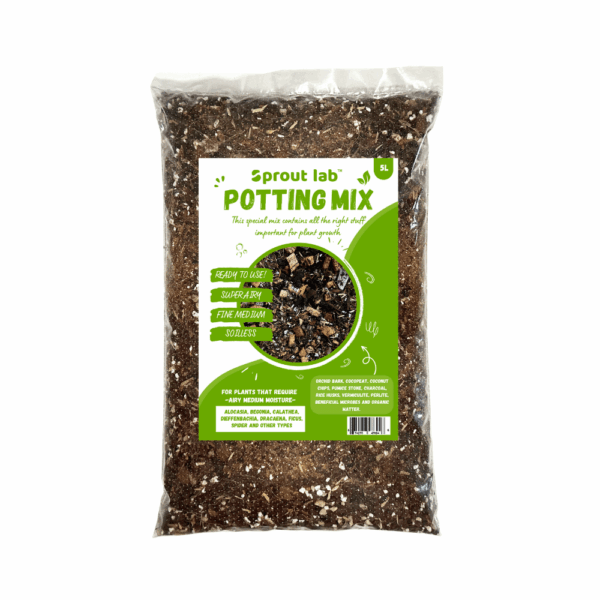
Plant HEAL is an optional supportive-care product to assess against its label after the primary cause is addressed. It is not established here as a disease cure. If a separate root-zone problem requires replacement medium, Potting Mix may suit the plant, but repotting is not justified by a leaf spot alone.
For an inadequate indoor light position, a suitable grow light can help create a more consistent setup. Read the fixture guidance and the plant's light needs first. If the cause is an old handling scar or corrected sun exposure, observation and better placement may be all that is required.
How does this apply to a Singapore window or balcony?
Consider a Philodendron moved beside a west-facing window after furniture is rearranged. Pale patches appear on the window-facing leaves, then dry brown. This illustrative case favours reviewing exposure before buying disease treatment. Check whether new protected leaves remain healthy after the position is corrected, while remaining alert to other symptoms.
Now consider a crowded sheltered balcony where new spots appear on leaves across several plants after frequent wetting. That pattern deserves a different investigation, including plant identity, splash and leaf-drying conditions. The example does not establish a pathogen, but it shows why the same brown colour can lead to different first steps.
In both cases, use a consistent photo and care record. Note the room or balcony position and the dates of intervention. This original comparison framework helps avoid the cycle of treating every patch as fungus and then treating every treatment mark as a new disease.
How should you judge progress and escalate if needed?
Progress means fewer new lesions, stable plant condition and suitable new growth, not the disappearance of dead patches. Compare the same leaves over time and inspect newly expanded leaves separately. If new damage continues, revisit the diagnosis and check whether the chosen intervention actually addressed the suspected cause.
Seek help promptly for rapidly expanding soft lesions, stem-base deterioration, severe wilt or widespread unexplained damage. Provide the whole-plant images and care timeline. For valuable or unusual plants, a reliable diagnosis can prevent repeated disruptive experiments. Do not use a stronger concentration simply because an unidentified problem persists.
For a powdery coating rather than dead patches, read the white-mark comparison guide. After confirmed pests are controlled, use the recovery guide. Matching the next step to the remaining evidence keeps product use purposeful and protects healthy tissue from unnecessary treatment.
Leaf spots: what to photograph
Photograph leaf spots on the same leaf every few days, from the same angle and in the same light. Include a wider shot of the whole plant so you can tell whether the leaf spots are spreading or staying put.
Leaf spots that stop growing and stay dry are often old damage, while leaf spots that enlarge, form rings or merge deserve closer attention. Neither pattern alone proves a cause, which is why a record over several days matters.
Remove a badly affected leaf only if it detaches easily, and clean your tools between plants. A spray for leaf spots rarely helps until you know the cause; the plant care page lists what Sprout Lab stocks.
Leaf spots and Singapore conditions
In Singapore, leaf spots can follow heavy rain on a balcony, strong afternoon sun through glass or splashing from overhead watering. Note the weather and watering before each new batch of leaf spots appears.
Leaf spots on only the leaves facing a window often point to light, while leaf spots scattered across shaded lower leaves can suggest a moisture-related problem. These are Sprout Lab’s own observations rather than diagnostic rules.
Keep water off the foliage when you water and give plants airflow. Fewer wet leaves means fewer conditions for new leaf spots, and it makes it easier to tell leaf spots caused by disease from those caused by sun.
If leaf spots keep spreading after you have corrected light and watering, take clear photographs and ask for identification help before buying a product. Leaf spots on edible plants need extra care with product labels.
Products to consider
HEAL is optional supportive care without a disease-cure claim. Potting Mix is relevant only to a separate demonstrated root-zone issue. A T5 light is conditional on an unsuitable indoor light position. Many scar or scorch cases need no product.
Common questions
Will brown leaf patches turn green after treatment?
Dead tissue will not regain its original green appearance. Judge the response by whether new damage stops and healthy growth develops. A stable old scar is different from an expanding lesion. Removing a leaf may improve appearance, but it does not demonstrate that the cause has been resolved.
Can I identify fungal leaf spot from a photograph?
A photograph can narrow possibilities but may not distinguish fungal, bacterial and environmental causes reliably. Include the whole plant, both leaf surfaces and a care timeline. Seek more specific identification when damage spreads or a treatment decision depends on knowing the cause.
Should every spotted plant be sprayed?
No. Sun scorch, physical injury and some residue problems do not need a pesticide. For a confirmed disease or pest, select a product whose label covers the actual target and plant. Unnecessary spraying can injure foliage and make later diagnosis harder.
Are leaf spots always a fungal disease?
No. Sun scorch, spray injury, physical damage and root problems can all look similar, as explained above.
Do leaf spots mean I should spray?
Not automatically. Identify the pattern and the cause first, because a product only helps if it matches the problem.
How do I treat leaf spots on houseplants?
Identify the cause first. Leaf spots from sun damage or spray injury need a different response from infectious leaf spots, so photograph the plant and review conditions before buying a product.
Can leaf spots spread to other plants?
Some causes can, so keep affected plants apart while you investigate and avoid splashing water between pots. Leaf spots from sun damage do not spread.