Ants on a plant are a clue to investigate, not proof that the plant needs an ant spray. NParks describes honeydew relationships involving aphids, mealybugs and soft scale, three pest groups that can leave foliage sticky. Follow the trail, inspect the feeding site and distinguish the plant problem from a household ant problem. The useful action depends on what you find. This guide is designed for Singapore balconies, windowsills and indoor shelves where a trail can cross several pots before reaching its source. Start with the common pest guide if you need help comparing the insects rather than simply following their movement. (Sources: NParks guides to aphids, mealybugs and scale insects, 2023.)
On this page
Why are ants climbing the plant for honeydew?
Is the sticky material definitely honeydew?
How do you identify the pest producing honeydew?
A practical order for cleaning honeydew and containing ants
Which plant product should you consider?
What if the plant is an edible herb or citrus?
Why are ants climbing the plant for honeydew?
Trace the ants’ destination before deciding what to control. They may pass through a growing area for unrelated reasons, so a trail without a feeding pest or fresh deposit is insufficient evidence for plant treatment. Observe the route carefully before wiping it away and losing a useful clue.
Watch the route without immediately wiping it away. Note whether ants gather at a shoot, under a leaf, on a pot rim or elsewhere beyond the plant. Inspect the destination closely. A trail may cross an innocent pot while leading to an infested plant behind it or a nonplant food source nearby.
Photograph the source before cleaning, especially if the insects are small or hidden. A close-up of the ant alone usually doesn't answer the plant-care question. Include the leaf underside or stem junction where activity concentrates. That information helps distinguish a sap-feeding infestation from ants simply moving through the space.

Look for: ants repeatedly visiting stems, glossy sticky leaves and a black soot-like coating. These signs point to a sap-feeding pest producing honeydew. Real photograph: Lyn Cook / Wikimedia Commons (CC BY 4.0).
Is the sticky material definitely honeydew?
Match the deposit with an organism and its position. Sticky foliage alone does not distinguish aphids, mealybugs and soft scale. Locate an active source, then compare waxy colonies, attached covers or exposed insects. If none can be found, review recent applications and possible spills instead of treating by assumption.
Check leaves above the sticky area because droplets can land below the feeding site. Inspect shelves and neighbouring pots too, particularly where foliage overlaps. If there are no pests, consider whether something was spilled or applied to the plant. Recent foliar products can leave residues that should not automatically trigger insect treatment.
Clean a small suitable area and observe whether fresh deposits return. This practical comparison can help separate old residue from continuing activity. Don't use aggressive cleaners to make the leaves shine. The objective is to reveal new evidence and keep the foliage functional, not to polish the plant at any cost.
How do you identify the pest producing honeydew?
Compare the organism rather than relying on the trail. Cottony colonies, attached covers and exposed pear-shaped insects suggest different investigations. Treat appearance as a starting clue and confirm it with close observation. A label on one pot should not become an automatic diagnosis for every plant the ants crossed.
Open the mealybug guide for cottony deposits around leaf joints. Use the scale guide for bumps on stems and veins. For tender shoots carrying clustered insects, compare the aphid guide and inspect any edible crop with its harvest use in mind.
If white insects fly up when the plant is disturbed, include whiteflies in the comparison. A collection can have more than one pest at once, so a correct diagnosis on one pot doesn't establish the cause on every other pot. Keep notes at the plant level rather than labelling the whole shelf with a single problem.
A practical order for cleaning honeydew and containing ants
Deal with the confirmed feeding source and connections between plants. Clean surfaces after recording the relevant evidence so fresh deposits are easier to recognise later. Separating the plant-care issue from a household ant issue prevents a foliage product from being used in a place or manner its directions do not cover.
Separate touching foliage where practical and remove confirmed accessible sap-feeding pests using the relevant guide. Bag affected trimmings. Clean sticky residue from suitable leaves and hard surfaces without letting cleaning chemicals enter the root zone. Keep plant-cleaning tools apart from food utensils and wash reusable materials before moving to healthy pots.
Inspect supports and shelves for bridges between plants. Don't coat tender stems or pots indiscriminately with sticky substances. A barrier or ant-control product must suit its application site and should not create harm through contact with plant tissue, people or other animals. For a household nesting problem, use appropriate premises guidance rather than improvising a plant drench.
Which plant product should you consider?
Choose a product for a confirmed plant pest rather than for the presence of ants alone. The supplied label must cover the host and application site as well as the insect. A trail does not authorise a broad plant spray to be applied to shelves, kitchen surfaces or growing medium.
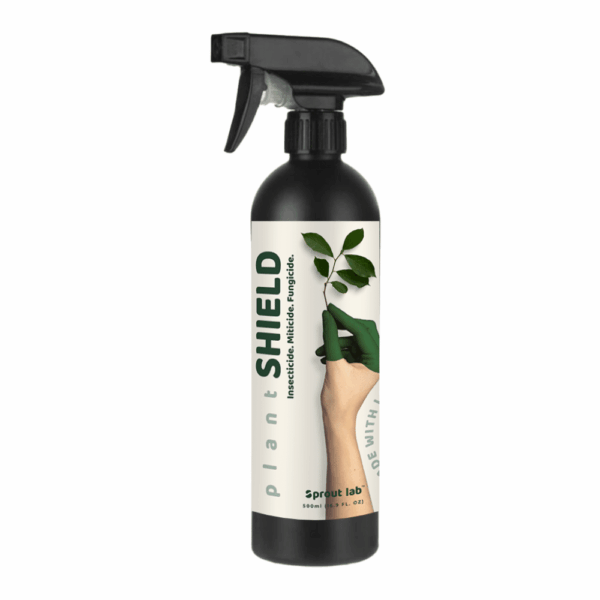
Plant SHIELD is a conditional product-page reference once the aphid, mealybug, scale or other plant pest has been identified. Review the supplied label before purchase or use. This guide does not recommend it as a household ant bait, structural pest treatment or unlabelled root drench.
There is no reason to buy new soil solely because ants walked across a pot. Likewise, a nutrient spray doesn't stop honeydew production by live pests. If a separate planting or nutrition issue exists, assess it on its own. Keeping these decisions separate makes the intervention cheaper, clearer and easier to judge.
What if the plant is an edible herb or citrus?
Add crop-specific label and harvest checks before treating edible plants. The presence of a familiar pest does not establish that every control product suits food crops. Decide how the confirmed infestation will be managed and how the harvest will be handled before applying anything to leaves or fruit.
Inspect leaves intended for picking and do not let treatment timing become a guessing exercise. Mark any treated pot and keep the actual instructions available to everyone who harvests. If directions don't state the relevant crop and restrictions, obtain clarification. A claim such as natural isn't a substitute for those details.
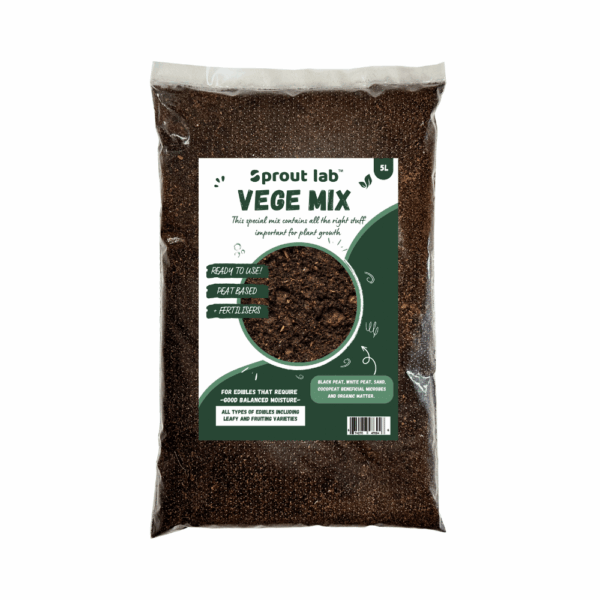
Use physical removal where it fits the infestation and plant. If a heavily affected shoot is discarded, keep it out of the kitchen harvest container. For a future edible planting, Vege Mix can be reviewed as a medium option, but it is not an ant or honeydew treatment.
A Singapore scenario: a trail across a shared plant rack
Map the trail before treating every pot. One hidden colony may explain activity across an entire rack, and the busiest-looking plant may be only a crossing point. Follow the destination and inspect sheltered foliage so intervention targets a real source rather than every container along the route.
Start where ants enter the rack and follow them without moving the whole display. Check behind the largest plant and beneath overlapping leaves. If the source is found on a plant with tightly tied stems, inspect the tie area carefully. Record which pots have actual pests and which are only crossed by the trail.
After cleanup, check whether the destination changed. Ants remaining nearby don't automatically mean plant treatment failed; they may have another source. Likewise, fewer ants don't prove the sap-feeding colony is gone. Recheck both the insects on the plant and the fresh residue to avoid relying on one indirect signal.
How do you know the honeydew problem is resolved?
Look for declining live pest activity and no fresh deposits on cleaned surfaces. Ant movement is an indirect measure, so collect plant-level evidence before deciding treatment worked or that another application is required. A returning trail may have a different destination, while fewer ants can coexist with a remaining colony.
Keep a dated photograph of the source area and compare new growth. Note any plant material you removed, because fewer leaves can make a colony look smaller without demonstrating control elsewhere. Inspect connected plants and shared supports. If you used a labelled product, let its directions govern repeat applications rather than the visibility of yesterday's residue.
Seek help if the source cannot be found, if activity extends into a building cavity, or if the plant declines without an identifiable pest. Provide photographs and a concise history. Avoid flooding the pot with household insecticide or cleaning fluid to eliminate uncertainty. The next action should answer the diagnosis, not simply make the trail disappear temporarily.
Honeydew: how to tell it from other residue
Honeydew is a sugary liquid excreted by sap-feeding insects such as aphids, mealybugs and soft scale. It makes leaves glossy and sticky, and it can attract ants and a black, soot-like coating. Check the plant above the sticky spot, because honeydew can drip onto leaves below.
Not every sticky surface is honeydew. Spray residue, dust and sap from a damaged stem can also feel tacky, so look for insects before deciding. If honeydew is present, the lasting fix is to manage the insects producing it rather than only wiping the leaves.
Wipe honeydew from suitable leaves with a damp cloth once the source is under control, and keep checking for ants returning. For identification help, see our guides on mealybugs and scale insects.
Products to consider
SHIELD only for a separately identified, label-covered plant pest; Vege Mix only for a future appropriate edible planting, never ant control.
Common questions
Are ants eating my plant?
Not necessarily. They may be collecting honeydew, moving through the area or using another resource. Follow the trail and inspect its destination before treating the plant. Find any sap-feeding pests and identify them separately. An ant sighting alone isn't enough to justify replacing soil or spraying foliage.
Will cleaning sticky leaves fix the infestation?
Cleaning suitable surfaces helps reveal whether new residue appears, but it doesn't remove a feeding colony hidden elsewhere. Inspect leaves above the deposit and the plant's protected joints. Address the confirmed pest and monitor afterwards, using cleaning as part of observation rather than proof of control.
Can I put household ant killer in the pot?
Only a product explicitly labelled for that exact application could be considered. Don't pour household or premises treatments into growing medium by assumption. Separate a plant pest issue from a household nesting problem and use the relevant labelled directions or qualified advice for each.
Does honeydew harm plants?
Honeydew itself is mostly a nuisance, but a heavy coating can support a black soot-like growth and signals that sap-feeding insects are present, so it is worth tracing.
Will wiping off honeydew stop the ants?
Cleaning helps, but ants return while the insects producing honeydew remain, so manage the source as well.
Read next
Common Houseplant Pests in Singapore (And How to Get Rid of Them)
Mealybugs on houseplants: a practical Singapore treatment plan
Aphids on chilli and herbs: what to do before using a spray
Scale insects on plants: separate live pests from harmless bumps