Scale insects can look like part of a plant, which makes inspection more important than an immediate spray. UC IPM describes a typical development pattern with two immature stages before adulthood, while NParks distinguishes soft scale insect from hard scale insect by their coverings and honeydew production. Look closely at bumps on stems, leaf veins and leaf undersides, then connect them with live activity or new damage.
This guide is for a Singapore home collection where treatment needs to be precise and manageable. If the evidence is only a white patch or sticky leaf, compare the common plant pest guide first. Don't damage healthy plant structures by scraping before you know what they are. (Sources: UC IPM, Scales; NParks, Scale Insects, 2023.)
On this page
How do you tell scale insects from a normal plant feature?
Why does soft scale insect versus hard scale insect matter?
Remove a limited infestation carefully
When should you consider a scale insect treatment?
A Singapore scenario: a citrus pot beside indoor foliage
Which products help the plant after scale insect management?
How do you tell scale insects from a normal plant feature?
Examine a suspect bump under magnification and compare it with healthy tissue elsewhere on the plant. Size and colour alone are not diagnostic. Some colonies resemble small surface marks, so look for evidence of an organism before scraping a stem or assuming every unfamiliar plant structure needs removal.
Photograph the bump from the side as well as above. Normal corking, leaf scars and root initials follow the plant's own structure, whereas an insect sits on its surface. Don't scrape a stem extensively to test this distinction. Examine an expendable affected leaf or ask for identification help when the plant feature is uncertain.
Check whether similar bumps cluster along veins, below leaves or around branching points. Some remain attached after an insect dies, so presence doesn't prove that treatment failed. A clear close-up of the underside of a gently removed suspect cover can be useful to an adviser, provided the examination doesn't injure valuable tissue.

Look for: fixed brown or white bumps, yellow patches, drying tissue, leaf drop and sticky residue. Real symptom photograph: Plant Pests and Diseases / Wikimedia Commons (CC0).
Why does soft scale insect versus hard scale insect matter?
The type affects which clues are useful. NParks explains that soft scale insect produces honeydew while hard scale insect does not. Sticky leaves and ants therefore help investigate possible soft scale insect, but their absence cannot clear a plant of every scale insect type. Inspect the actual covers and surrounding tissue as well.
Follow sticky deposits upwards and inspect the feeding sites rather than spraying the black coating on a lower leaf. Where the plant isn't sticky, look carefully at veins and stems for attached covers. Avoid identifying a species from colour alone because covers can vary with age, condition and the plant beneath them.
This distinction also prevents overconfidence about treatment. A visible protective cover can affect access to the insect. Ask whether the product and application method actually fit the identified pest stage. A general label for sap-feeding pests should not be read as a guarantee for every established colony hidden under covers.
Remove a limited infestation carefully
For a small accessible colony, prioritise controlled removal and inspection rather than stripping the plant. NParks describes soft-brush cleaning for affected parts. The practical aim is to reduce confirmed pests while retaining healthy tissue, so stop and reassess if removal starts causing significant abrasion or tearing.
Support the stem or leaf from behind while cleaning. Use a light touch and stop if the surface is tearing or becoming abraded. Clean material off the brush before moving to another area, and keep removed insects contained. Repeated rough scrubbing can create wounds that make later symptoms difficult to interpret.
Prune a heavily affected expendable branch only after considering the plant's shape and remaining foliage. Bag the material before carrying it through other plants. Clean the work surface and inspect ties, pot rims and supports. If most of the plant is affected, seek advice about whether continued treatment or responsible removal is more practical.
• Confirm the bump before removing it.
• Support delicate tissue during cleaning.
• Inspect previously hidden stem surfaces.
• Keep removed material away from clean plants.
When should you consider a scale insect treatment?
Consider a labelled treatment when live scale insect persists beyond what can be removed without harming the plant. Product suitability must address the identified pest and host. A settled covered insect presents a different situation from a mobile immature form, so do not assume a general spray claim explains the whole application.
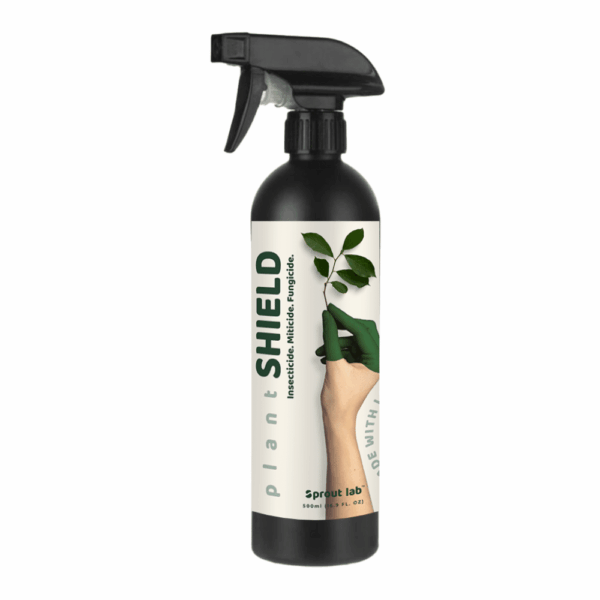
The relevant catalogue option to investigate is Plant SHIELD. Proceed only if the supplied label covers the confirmed scale insect problem and host. Read plant exclusions, coverage instructions and repeat limits. Don't assume that spraying the outside of a cover necessarily reaches a living insect underneath.
Avoid scraping every cover away and immediately layering several products over newly damaged tissue. If physical cleaning has injured a leaf or stem, reassess its condition before treatment. For citrus or other edible plants, require explicit crop and harvest directions. A recommendation for ornamental foliage does not automatically extend to a plant used for food.
A Singapore scenario: a citrus pot beside indoor foliage
Inspect the route between plants, not just their pots. If a citrus plant touches a nearby ornamental, examine both contact areas and trace ant activity before choosing a response. Plants in separate containers can still share foliage, ties or shelves, and those connections deserve attention during the initial inspection.
A plant moved indoors temporarily can carry unnoticed bumps on woody growth. Photograph the stems before cleaning and keep a record of where covers were removed. Check the underside of labels and ties without causing unnecessary damage. These modest checks are more useful than repotting every exposed plant as a precaution.
Keep the edible and ornamental decisions separate. The citrus plant's treatment needs crop-specific directions, while the foliage plant may have different sensitivity constraints. Label treated pots clearly so nobody harvests fruit or leaves without checking the instructions. Use a shared household record if different people water, prune and harvest.
Which products help the plant after scale insect management?
A support product should address an identified care need rather than the continued appearance of old covers. Growing medium is not a substitute for managing active insects on stems or leaves. Assess root conditions separately and choose a repot only when its benefit justifies the extra disturbance to the plant.
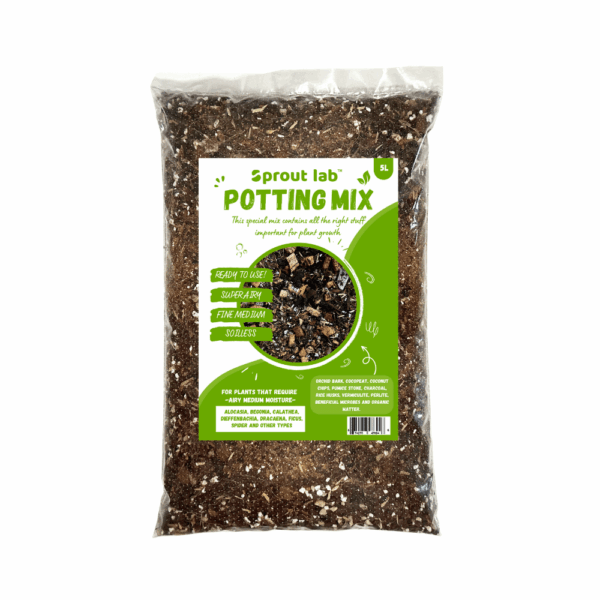
Review Potting Mix only if a suitable general foliage plant independently needs repotting. For a suitable aroid, compare Aroid Mix. Match the container and watering to the species. Neither mix is described here as a scale insect treatment or protection against future infestation.
After control improves, observe new growth before changing nutrition. A still-yellow old leaf doesn't prove that fertiliser is missing. Check whether roots are functioning, whether the plant has suitable light and whether its watering is stable. A measured return to normal care is easier to assess than several overlapping recovery products.
How do you avoid treating dead scale insect repeatedly?
Check for living insects and fresh colonisation instead of counting every old cover as active scale insect. Document cleaned areas so new material can be distinguished from what was already present. That reference helps you avoid treating indefinitely just because the plant still has visible marks from a previous problem.
Use the same lighting and angle for follow-up photographs. Mark an affected leaf or branch with a loose identifier that won't constrict it. Record new honeydew if the type produces it, and inspect previously clean growth. If you cannot tell whether a cover is alive, request a closer diagnosis rather than extending treatment indefinitely.
Don't chase perfect-looking bark or stems. Normal plant surfaces can remain scarred after insects are gone. The useful questions are whether the population is expanding, whether new growth is being colonised and whether the plant is regaining stable growth. Keep exposed neighbours under observation while you resolve those questions.
When is scale insect a sign to reassess the whole plant?
Reassess when live colonies persist alongside declining growth despite appropriate management. Investigate the confirmed insects and the environmental or root conditions that may independently limit recovery. The plant may need a revised diagnosis rather than more frequent use of the same product, particularly if symptoms changed after treatment.
Provide an adviser with close photographs, a whole-plant view and details of products already used. Include whether the plant was recently moved, repotted or exposed to a new light position. This prevents an old scale insect problem from masking a new care issue or treatment injury.
If the practical cost of maintaining a badly infested specimen is too high, removal can protect the rest of a small collection. Bag it and clean the site, then inspect the plants that shared that space. If the bumps prove cottony rather than scale-like, use the mealybug guide to refine the next steps.
Products to consider
SHIELD conditional on actual scale insect/host label; Potting Mix or Aroid Mix only if an independent repotting need exists.
Common questions
Does scale insect always cause sticky leaves?
No. NParks distinguishes honeydew-producing soft scale insect from hard scale insect, which doesn't produce honeydew. Inspect stems and veins even when leaves aren't sticky. Equally, sticky foliage can come from other sap-feeding pests, so identify the insect before selecting treatment.
Should I scrape every bump off my plant?
No. Normal root initials, corking and leaf scars can resemble pests, and rough scraping damages plant tissue. Use magnification, compare healthy areas and seek help if uncertain. Once scale insect is confirmed, use controlled removal where practical and preserve useful foliage and healthy stems.
Why are scale insect covers still visible after treatment?
Covers can remain after insects die. Continued attachment doesn't prove failure. Compare cleaned areas, inspect for live insects and watch new growth for colonisation. Don't repeat applications beyond label instructions merely to improve appearance; request identification help if the live status is unclear.