Aphids on chilli and herbs are easiest to assess while colonies are still accessible on tender growth. UC IPM describes a pair of rear tubes, called cornicles, on most aphids, which helps distinguish them from other small insects. Start by confirming the pest, separating affected foliage and removing small colonies. For anything you intend to eat, product selection also needs explicit crop and harvest directions. A general claim about natural ingredients is not enough. This guide sets out a practical inspection and response plan for a Singapore balcony or windowsill crop. If you have only sticky leaves or curled growth, first compare the pest identification guide. (Source: UC IPM, Aphids, 2013.)
On this page
Are the insects on your chilli actually aphids?
What do ants and sticky leaves tell you?
Remove small colonies without losing the crop
Can you spray herbs that will be harvested?
A Singapore windowsill scenario: mint beside chilli
Feeding after aphids: useful support or unnecessary input?
Are the insects on your chilli actually aphids?
Look for clusters of soft, pear-shaped insects on tender stems and leaf undersides. Colour is less useful than body shape and location, so inspect before choosing a response. Check the shoot carrying the insects as well as nearby clean growth; the comparison can make a small colony much easier to recognise.
Use close photographs and a hand lens where possible. Check a growing tip without crushing it, then compare older leaves. Pale cast skins may remain among living aphids, so distinguish residue from active insects. Some aphids have wings; that doesn't automatically make them whiteflies or fungus gnats.
Leaf curl alone isn't diagnostic. A chilli plant can curl from environmental stress, and different pests can occupy the same shoot. White insects that lift off when disturbed suggest a different investigation. Cottony colonies deserve comparison with the mealybug guide, especially if they sit deep in stem joints.

Look for: curled or crinkled young leaves, distorted tips, sticky honeydew and ants visiting the plant. Real infestation photograph: Bruce Marlin / Wikimedia Commons (CC BY-SA 2.5).
What do ants and sticky leaves tell you?
Ant activity can help locate a sap-feeding colony, but ants alone do not identify aphids. NParks describes aphid honeydew attracting ants. Follow the trail to its destination and inspect there; the useful finding is a feeding insect or fresh deposit, rather than the route the ants used across the pots.
Check the undersides of leaves above the sticky patch. Droplets can fall onto lower foliage, the pot rim and neighbouring plants, so the source may not be on the visibly dirty leaf. Take a photograph before cleaning because the distribution can help you reconstruct where insects have been feeding.
A dark coating over sticky residue is another clue to investigate rather than an automatic reason to buy a fungicide. Address the source of honeydew and wipe sturdy foliage carefully where suitable. If the plant has no aphids, compare soft scale, mealybugs and whiteflies before concluding that the first identification was correct.
Remove small colonies without losing the crop
Use physical removal first when a small colony is accessible. Support the plant during cleaning and record where the insects were found. The next inspection should answer whether live colonies returned, not merely whether the leaves look tidier immediately after wiping. This distinction helps determine whether more intervention is justified.
Support tender stems while wiping, and choose a controlled stream that won't break seedlings. Keep the growing medium from becoming repeatedly saturated during leaf cleaning. If a shoot is heavily colonised and tightly curled, consider removing that shoot rather than cutting back the whole plant. Keep useful, clean foliage wherever possible.
Bag removed infested growth and clean the working area. Don't carry it uncovered through healthy seedlings. Return the plant to suitable light, inspect nearby herbs and check again after the initial cleanup. Physical removal works best as a deliberate sequence of observation and action, not as a single rinse followed by forgetting the plant.
• Confirm live aphids before cleaning.
• Protect stems and roots during rinsing.
• Remove only growth that warrants removal.
• Record new colonies rather than judging only leaf appearance.
Can you spray herbs that will be harvested?
Only use a pest product when its label explicitly covers the edible crop, pest and application method. Read harvest and other use restrictions before selecting it. The fact that a bottle is sold for plants does not establish that it suits leaves or fruit intended for the kitchen.
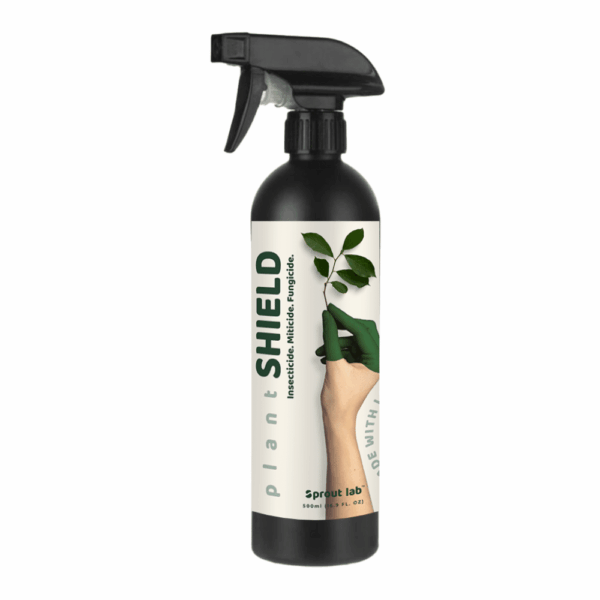
The relevant catalogue page to review is Plant SHIELD. Treat that as a label-check starting point, not an automatic recommendation for chilli, basil or mint. If the supplied directions don't identify the crop or explain harvesting restrictions, obtain clarification and use nonchemical management meanwhile.
Keep food preparation separate from treatment work. Don't guess a withholding interval from another brand or from an online recipe. Different formulations can have different instructions even if the packaging uses similar language. Washing after harvest cannot be used to override a product's stated restrictions or compensate for an unapproved application.
A Singapore windowsill scenario: mint beside chilli
Treat touching plants as an inspection group rather than assuming the worst-looking pot is the only source. On a small windowsill, access to leaf undersides matters. Separate the foliage enough to inspect each plant and maintain a workable care routine, while keeping the crop in an appropriate light position.
Consider mint pressed against a chilli plant, with both resting in a shared tray. Separate the foliage and inspect tender tips on each species. Adjust the tray arrangement so each pot can drain and be assessed independently. A shared watering routine may suit one plant poorly, making subsequent wilting harder to interpret.
Decide which leaves are part of the intended harvest and which are staying to support growth. Inspect before harvesting, and keep infested pruning waste apart from kitchen ingredients. If treatment is necessary, clearly label the pot with the application date and relevant label restriction so another household member doesn't pick leaves unknowingly.
Feeding after aphids: useful support or unnecessary input?
Fertiliser supports nutrition; it does not remove an aphid colony. UC IPM cautions against excessive nitrogen because tender growth can favour aphids. Keep pest management and feeding separate, especially when new leaves already carry insects and the roots receive extra water during repeated foliage cleaning.
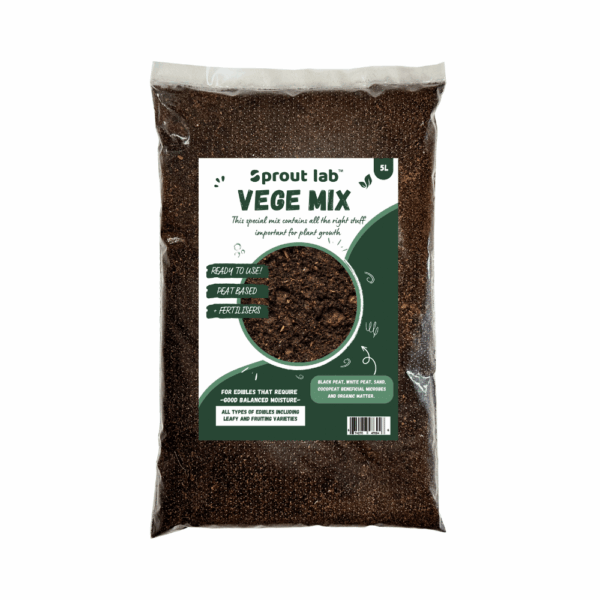
For a crop with an independently appropriate repotting or new planting need, Vege Mix is a growing-medium option to compare. It is not an aphid treatment. Choose a draining container, match the mix and watering to the crop, and avoid replacing the medium simply to respond to insects on leaves.
Review Plant GROW only if its supplied directions cover your crop and feeding method. Resume a sensible nutrition programme when roots and growth justify it. Don't stack a fertiliser, booster and recovery spray because the leaves still show old distortion; that doesn't demonstrate a deficiency.
Mistakes that keep aphids returning
Ignoring tender new growth after cleaning older leaves can miss the next colony. UC IPM recommends checking actively growing plants at least twice weekly in its guidance. Use that as a monitoring reference rather than a pesticide schedule, and adapt observation to the pace of change in your own crop.
Avoid blanket spraying when beneficial insects are visibly active outdoors. Before removing an unfamiliar insect, photograph it and compare credible identification resources. A garden with insect life is not automatically failing. The practical target is manageable pest pressure and a usable plant, rather than an unrealistic promise that nothing will ever land on it.
Another mistake is to explain every twisted leaf as ongoing aphid damage after the insects are gone. Review new growth, recent applications and growing conditions. If distortion, mottling or decline continues without a clear cause, seek diagnosis. A pest spray should not be presented as a cure for possible plant-virus damage.
How do you decide whether the plan is working?
Compare fresh growth and live colonies over successive checks. The result you want is less active infestation without unacceptable plant injury or harvest disruption. Record what changed after each action so a return of insects, a new environmental problem and an unchanged old scar are not treated as the same event.
Keep a simple record of which shoot carried insects, what you removed and whether another shoot became affected. Photographs from the same angle make the trend easier to see. If you used a labelled product, include its date and directions in the record. Don't improvise extra applications solely because an old curled leaf remains curled.
If only a few accessible aphids return, repeat the appropriate physical response while investigating the source. If colonies spread quickly or the plant is badly compromised, obtain clearer identification and reassess whether retaining the crop is worthwhile. The next useful reading for ant-tended colonies is the ants and honeydew guide.
Products to consider
SHIELD only if its actual label explicitly covers the edible crop and aphid use; Vege Mix supports separately needed planting/repotting; GROW only for label-compatible nutrition, not pest control.
Common questions
Are aphids on mint a reason to spray immediately?
No. Confirm the insects and start with physical removal where practical. For edible herbs, any product must explicitly cover the crop and include relevant harvest instructions. Do not assume a spray is suitable because it says natural or because it is used on ornamental plants.
Can I solve aphids by replacing the soil?
Replacing otherwise suitable medium doesn't remove aphids remaining on shoots or neighbouring plants. Assess the foliage infestation directly. Repot only for an independent root or growing-medium problem, and choose a mix suited to the crop. Unnecessary repotting adds stress while leaving the actual source untreated.
Why is my chilli still curled after aphids disappear?
Existing distortion may remain. Assess the newest growth and look for live insects rather than expecting damaged leaves to flatten. If new growth remains abnormal, review watering, light and recent sprays, and seek diagnosis where needed. Persistent symptoms should not automatically trigger stronger or more frequent pesticide use.
Read next
Common Houseplant Pests in Singapore (And How to Get Rid of Them)
Ants and sticky plant leaves: find the honeydew source