Winding pale trails inside a leaf point towards a different problem from caterpillars chewing holes through it. NParks identifies two common Singapore leaf miners, Liriomyza sativae and Liriomyza trifolii. Their larvae feed within leaf tissue, which changes how you should inspect and manage the crop. Start by confirming the trail, deciding whether it appears active and assessing how much healthy foliage the plant retains. This guide covers a practical response for balcony vegetables and herbs without assuming that a general surface spray reaches a protected larva. For other marks, compare the common plant pest guide before buying treatment. (Source: NParks, Leaf Miners, 2023.)
On this page
How do leaf miner trails differ from other damage?
Why doesn't a surface spray automatically solve leaf miners?
Selectively remove affected leaves without stripping the crop
How do you protect the next leaves?
A Singapore scenario: repeated trails on balcony vegetables
Which products fit a leaf miner management plan?
How do leaf miner trails differ from other damage?
Look for a tunnel within the leaf rather than a missing piece of tissue. The outline can remain intact, so distinguish internal mining from chewing, a surface scrape or another dry patch. Close photographs and a comparison over time are more useful than choosing a spray from one distant view.
Hold the leaf against diffuse light and photograph both surfaces. Follow the line to its wider end and look for a larva or fresh extension, without tearing the leaf unnecessarily. Compare a photograph taken later if activity is uncertain. A trail that remains visible isn't proof the miner is still present.
Don't diagnose every pale line as leaf mining. Creases, scratches and superficial injury can resemble trails from a distance. If tissue has been eaten away in irregular holes, inspect for caterpillars or other chewers instead. The caterpillar guide explains that separate inspection route.
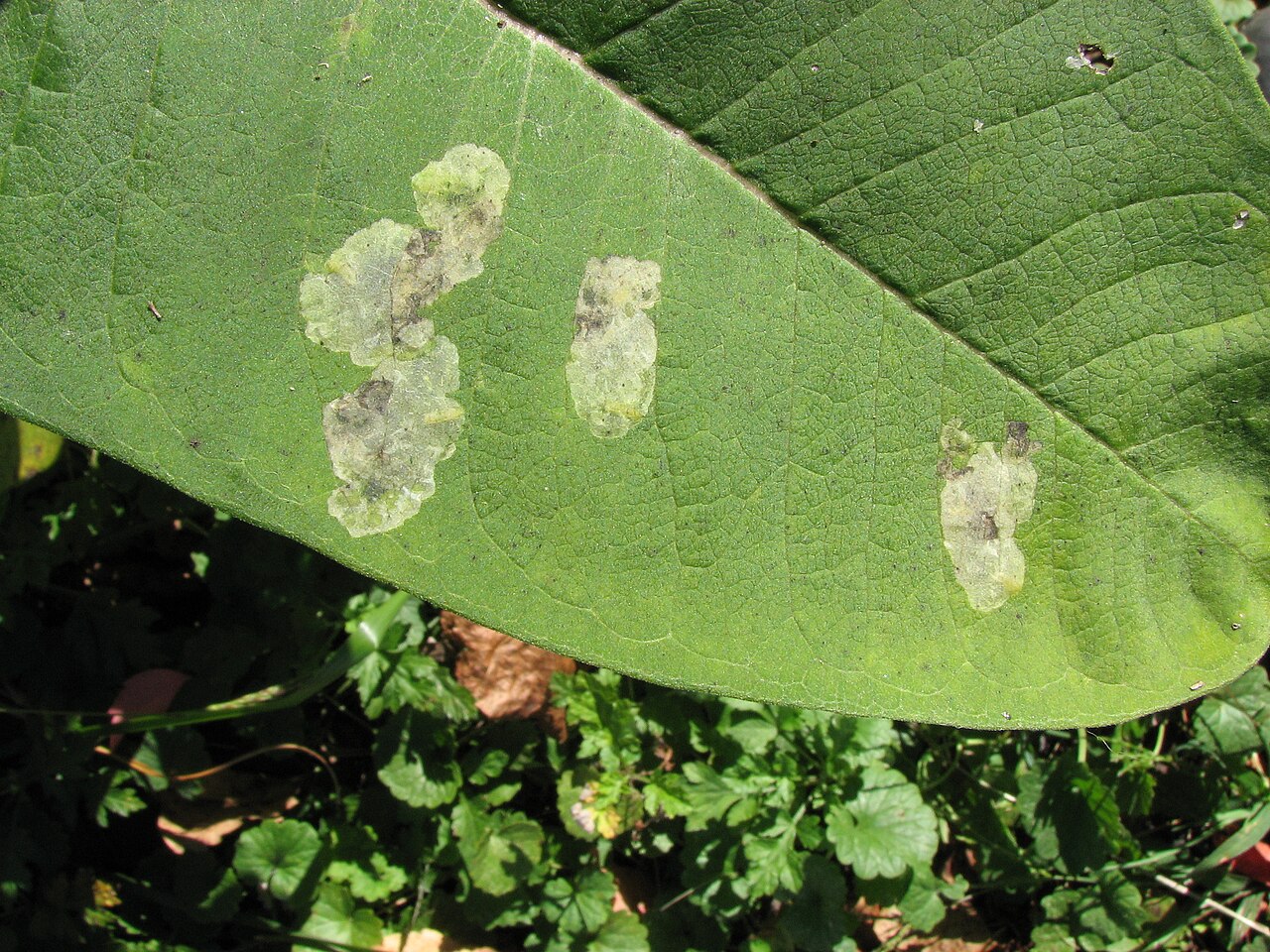
Real leaf miner reference photo. Photo: Beatriz Moisset, CC BY-SA 4.0, via Wikimedia Commons.
Why doesn't a surface spray automatically solve leaf miners?
The feeding site is inside the leaf, so product access cannot be assumed. A broad pest list does not establish that a particular formulation controls protected larvae in your crop. Read the actual use directions and compare new activity, rather than treating every persistent pale trail as a sign that more spray is needed.
Read the actual label for the named pest, crop and intended method. Don't increase concentration to try to force a contact spray through the leaf. Stronger mixtures can injure the crop without reaching the target. Nor should a product be mixed with detergent, oil or another pesticide to invent a penetrating treatment.
A persistent trail is old structural damage even after the larva leaves or dies. Use live evidence and new trails to judge activity. Repeatedly spraying because the existing line never disappears is both wasteful and diagnostically misleading. The treatment decision needs to be based on what is happening now, not on an expectation that tissue will become unmarked.
Selectively remove affected leaves without stripping the crop
Remove clearly affected leaves selectively where the plant can afford the loss. A mature crop may tolerate removal, while a small seedling with little remaining foliage needs a different recovery decision. Assess the whole plant first so pruning reduces a problem without removing its realistic means of recovery.
Inspect the whole plant before cutting. Count the healthy functional leaves informally and check the growing point. Bag removed infested material promptly instead of leaving it on the soil surface or among clean seedlings. Clean tools as appropriate and avoid carrying loose material through the rest of the growing area.
If most foliage is compromised, consider whether restarting the crop is more practical than repeatedly removing its remaining leaves. That is a crop-management decision, not a failure that must be solved by stronger products. Record the stage at which the problem became visible so the next planting can be inspected earlier.
• Confirm an internal trail before pruning.
• Preserve enough functional foliage for a recoverable plant.
• Contain removed material immediately.
• Track fresh trails separately from old marks.
How do you protect the next leaves?
Use an exclusion plan around inspected plants and maintain it during ordinary care. Check incoming material before it enters the protected area and close access after watering or harvest. The plan must remain workable in the actual balcony space, with adequate access to examine leaves and monitor growing conditions.
Install a supported barrier that lets you inspect and water without leaving it permanently open. Check that incoming seedlings aren't carrying mined leaves before placing them inside. A cover cannot be treated as proof that a pest introduced inside has disappeared. Inspect seams and openings after moving pots or harvesting.
Plan ventilation and pollination as part of the setup. A leafy crop under cover has different needs from a fruiting crop that relies on insect visits. If the same host crop repeatedly has problems, discuss a suitable rotation or pause rather than immediately replanting an identical exposed batch in the same arrangement.
A Singapore scenario: repeated trails on balcony vegetables
Separate an ongoing source from marks left by an earlier infestation. Compare new leaves over time and check neighbouring susceptible plants before blaming potting mix. A household grower needs practical evidence of active mining more than an unconfirmed species name, especially when deciding whether to retain or restart a crop.
Imagine a tray of leafy vegetables beside an older crop with mined leaves. Replacing only the tray's medium doesn't address exposure from plants around it. Inspect both plantings, remove appropriately affected material and organise exclusion before starting another batch. Keep the new plants easy to reach so early inspection doesn't become a chore.
Do not let a dense display hide the back row. Rotate inspection access rather than constantly moving affected foliage through clean plants. Keep dates for sowing, first trails and any actions. That simple sequence can help determine whether the problem arrived with transplants, appeared after a cover was opened or persisted in neighbouring hosts.
Which products fit a leaf miner management plan?
Prioritise crop setup and a correctly identified treatment need rather than an automatic spray purchase. A growing-medium product can support a new crop but cannot stop an adult reaching its leaves. Tie each purchase to a specific job, such as an appropriate root environment or an accessible planting arrangement.
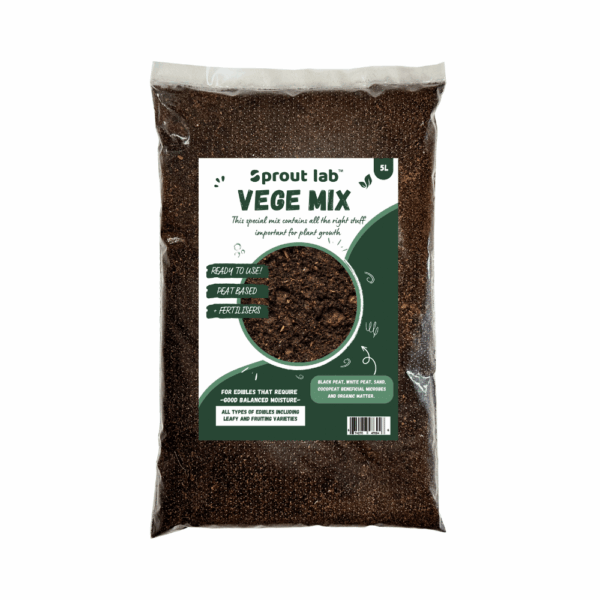
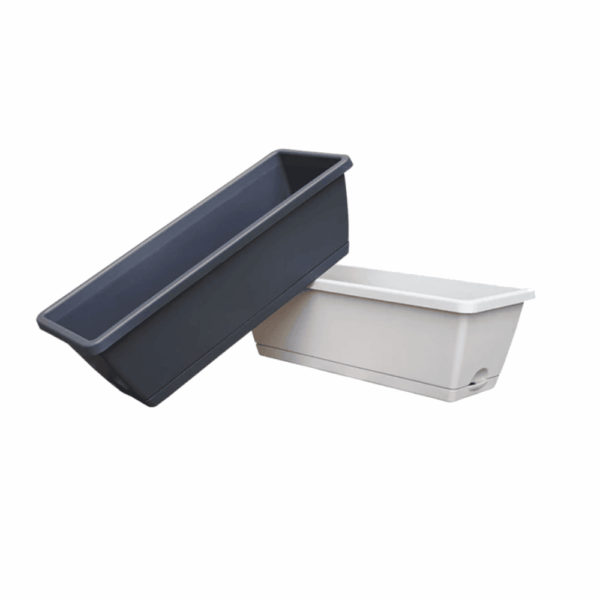
For a new or independently justified edible planting, review Vege Mix and an appropriately sized garden planter. Check drainage, depth and access for an exclusion frame. These are growing-system purchases, not leaf miner treatments, and they need no exaggerated pest-prevention promise to be useful.
Review Plant SHIELD only if its actual label explicitly covers the crop, leaf miner use and harvest restrictions. Do not infer control of larvae within leaves from a generic contact-spray claim. If instructions are missing, seek a labelled local option through qualified advice while continuing mechanical management.
What should you do about harvesting?
Keep produce assessment and pesticide restrictions separate when deciding what to harvest. A leaf may be visibly compromised regardless of treatment, while a clean-looking one may still be subject to label restrictions. Inspect the produce and consult the application record rather than assuming washing resolves every issue.
Set aside visibly affected leaves during inspection rather than mixing them into the kitchen harvest. Don't describe washing as a way to erase an internal mine or override pesticide directions. If treatment occurred, use the actual label and application record. An interval remembered from a different product is not a reliable substitute.
Where the crop is badly compromised, a restart may be preferable to repeatedly treating leaves close to harvest. Organise the next growing setup before sowing again. Consider access, protected space and the host plants nearby so the next batch benefits from what the first one revealed.
How do you measure progress and prevent repetition?
Watch new leaves for fresh mines and compare them with dated photographs. There is no universal household clearance date. Improvement means fewer new active mines and a crop retaining useful foliage under your management plan, supported by an intact exclusion system and continued attention to neighbouring plants.
Record pruning so you don't mistake the removal of evidence for the end of the problem. Inspect nearby host plants and check whether the exclusion system stays intact through watering and harvest. If mines continue inside a barrier, investigate introduced plant material and access gaps before deciding that the barrier concept cannot work.
Seek horticultural identification help when trails remain uncertain or the crop repeatedly fails despite careful management. Provide whole-plant and close-up images plus the growing history. For future mix selection, use the which mix guide, keeping root care separate from the task of protecting leaves from egg-laying adults.
Leaf miner checks for vegetables and herbs
A leaf miner leaves pale, winding trails inside the leaf, because the larva feeds between the upper and lower surfaces. Hold the leaf up to the light: a leaf miner larva may be visible at the end of a fresh trail.
Remove and bin the worst-affected leaves to take a leaf miner larva out of the plant, and avoid composting them. A leaf miner problem is usually managed through selective removal and netting rather than a surface spray.
Keep checking new growth for a fresh leaf miner trail every few days, and photograph the same leaves so you can tell old trails from new ones. Old leaf miner damage does not heal, but healthy new leaves show the problem is under control.
Products to consider
Vege Mix and planter support a planned new edible crop; SHIELD only if label explicitly covers leaf miner, crop and harvest use, with no assumed access to internal larvae.
Common questions
Will the pale trails disappear after control?
No. Existing damaged tissue usually remains visibly marked. Judge progress through fresh mines on new growth and evidence of live activity, not whether old lines fade. Record pruning and compare dated photographs so removal of affected leaves isn't mistaken for proof that the source has gone.
Should I use a stronger spray to reach the larvae?
No. Never exceed the label or invent mixtures to increase penetration. Larvae inside leaves are protected, and a generic surface spray may not suit the target. Confirm a crop-labelled option where needed and prioritise selective removal and suitable exclusion rather than trial-and-error concentrations.
Does new vegetable soil prevent leaf miners?
No. A new medium supports roots but doesn't stop adults accessing foliage. Buy it when planting or a separate root need justifies it. For leaf miner management, inspect transplants, manage affected leaves and maintain appropriate exclusion. Review neighbouring host plants when problems recur.