Holes in edible leaves call for an inspection before a pesticide. NParks explains that caterpillars are the larvae of two familiar adult groups, butterflies and moths, and that their feeding and appearance vary. Look for the animal, droppings and fresh damage, then decide whether removal, a barrier or a crop-labelled treatment fits the situation. A balcony harvest and a butterfly host plant can reasonably have different management goals. This guide helps Singapore growers protect edible leaves while avoiding indiscriminate spraying. For tunnels inside a leaf rather than missing tissue, compare the leaf miner guide. For other symptoms, begin with the pest comparison guide. (Source: NParks, Caterpillars, 2023.)
On this page
Are caterpillars responsible for the holes?
What is the goal: harvest protection or a host plant?
Remove accessible insects and assess the remaining plant
How do you use netting without enclosing a problem?
Which pest product is appropriate for edible leaves?
A Singapore scenario: kai lan on a small balcony
Are caterpillars responsible for the holes?
Find the feeder or convincing associated signs before deciding. Chewed leaves alone do not identify an animal, so inspect undersides, folds and nearby surfaces for droppings and hiding places. Distinguish recent damage from marks already present when the plant arrived, then choose an action based on current activity.
Check both fresh and older damage. New holes have a different practical meaning from a leaf that was damaged before you bought the plant. Photograph the whole plant and the affected leaf, then look for an organism nearby without shaking it onto another pot. A torch can help inspect sheltered folds in poor light.
Don't assume every elongated creature is a caterpillar or every hole came from one. Slugs, snails, beetles and physical tearing deserve consideration. Rolled leaves may hide an insect but should be opened carefully. Avoid handling hairy or spiny caterpillars with bare skin, especially when their identity is uncertain.

Look for: fresh holes, ragged or missing leaf edges, dark droppings and folded or webbed leaves. Real symptom photograph: Jidanni / Wikimedia Commons.
What is the goal: harvest protection or a host plant?
Decide the plant’s role before intervening. Feeding can conflict with an edible-leaf harvest while fitting a deliberately maintained butterfly host plant. Acknowledge that difference and set a practical goal for the pot. The response should follow its intended use rather than an assumption that every damaged leaf needs a spray.
For a small crop intended for the kitchen, preserving enough clean productive leaves may be the priority. For a plant grown to support wildlife, tolerating some feeding may be acceptable. Make that choice deliberately, and keep the two uses separate where space permits so you aren't repeatedly changing the rules for the same pot.
If you remove a caterpillar, don't release it onto an unrelated plant or someone else's garden. Correct host and species identification matter. Ask an appropriate local gardening group or adviser if relocation is contemplated. For uncertain or irritating species, use tools and suitable protection instead of handling the animal directly.
Remove accessible insects and assess the remaining plant
Use targeted removal when the feeder is accessible and the plant can be inspected fully. Then assess how much productive foliage remains and whether fresh damage continues. This sequence preserves a clear comparison: the confirmed organism was removed, and later observations can show whether another source still needs attention.
Inspect each leaf systematically, including the underside and the central growing area. Use suitable tools for unfamiliar caterpillars and keep removed material contained. Avoid tearing apart the plant to find a single hidden feeder. A small seedling needs particular care because rough searching can damage more tissue than the insect already removed.
After removal, photograph the plant and check for fresh holes later. Don't judge failure by old damage remaining visible. Remove badly compromised leaves when appropriate, but retain functional foliage. Clean fallen material around the pot so new droppings or fresh feeding are easier to notice during the next inspection.
• Inspect the animal before choosing a response.
• Avoid bare-hand contact with unknown hairy or spiny caterpillars.
• Check leaf undersides for eggs and small feeders.
• Track fresh damage rather than expecting holes to close.
How do you use netting without enclosing a problem?
Install exclusion around inspected plants and maintain access for care. Check whether pests were present inside when the barrier was fitted and whether subsequent openings permit access. A net is part of a maintained growing arrangement, not a reason to stop examining leaves or checking the crop’s condition.
Support the net so foliage isn't tightly pressed against it, and close access points carefully after watering or harvesting. Inspect the enclosed plants regularly rather than assuming a cover eliminates the need. A tear, open seam or pest introduced with a new seedling can undermine an otherwise sensible setup.
Plan for ventilation and the crop's pollination requirements. An enclosure suited to leafy greens may need different handling from a flowering crop that depends on visiting insects. Watch temperature and plant condition in the actual balcony position. A barrier should protect the crop without creating avoidable growing stress or making routine checks impossible.
Which pest product is appropriate for edible leaves?
Only consider a treatment explicitly labelled for the confirmed caterpillar, edible crop and use. Check crop permission and harvest directions before application. A plant-spray claim is insufficient for leaves intended for the kitchen, and information about another product cannot establish the restrictions that apply to the bottle you hold.
Plant SHIELD can be reviewed only conditionally against its actual supplied label. This guide does not establish edible-crop clearance or effectiveness for every caterpillar. If the label doesn't provide the relevant directions, use inspection, removal and exclusion while obtaining advice on an appropriate option.
Don't borrow instructions from a different product, including a biological product discussed by an extension service. The actual formulation and local label govern use. Keep a written record and mark treated pots so someone else doesn't harvest them unknowingly. Washing leaves later is not a substitute for respecting labelled restrictions.
A Singapore scenario: kai lan on a small balcony
Prioritise the growing point and remaining usable foliage when a small leafy crop is attacked. Decide whether to nurse a recoverable plant or restart where too little viable growth remains. Make that assessment after locating the feeder so an expensive new setup does not simply inherit the same unresolved exposure.
Inspect every plant in the tray rather than just the one with the largest hole. Record whether the feeder was found and whether others remain. If restarting, clean the container, inspect incoming seedlings and organise the exclusion system before the new crop goes outside. Repeating the same exposed setup without inspection may recreate the problem.
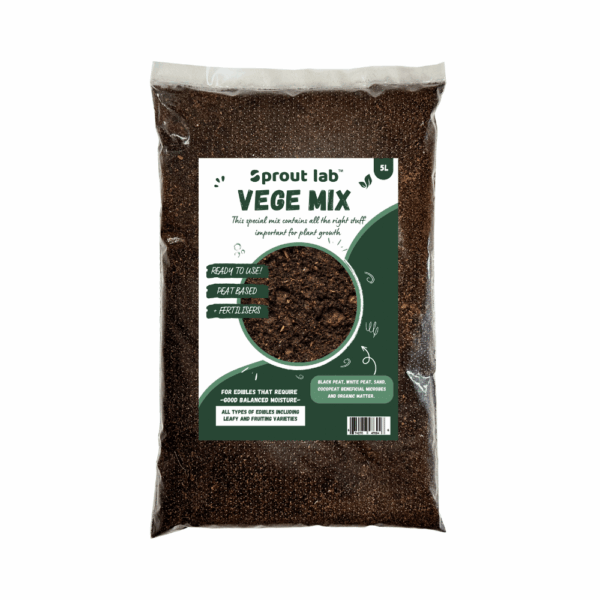
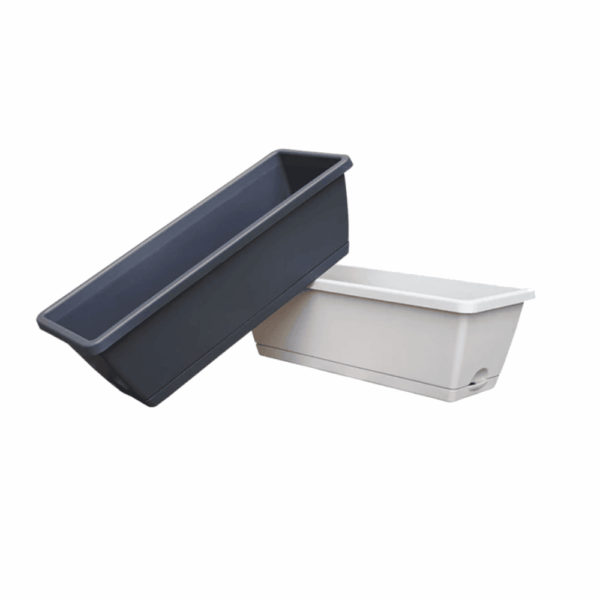
For an independently appropriate new planting, review Vege Mix and a suitable garden planter. These support growing arrangements, not caterpillar treatment. Check usable planting depth, drainage and available space before purchase rather than assuming a larger container itself prevents pests.
What mistakes should you avoid during recovery?
Do not expect holes to repair or treat missing tissue as proof of a nutrient shortage. Judge recovery through subsequent healthy growth and continued pest observation. Keep nutrition separate from the control decision, and avoid adding several products when stable growing conditions and time are the more relevant needs.
Avoid cutting away every imperfect leaf if much of it remains useful. Don't apply multiple foliar products to force fast replacement growth. Stabilise water and light first, and resume appropriate feeding only when the crop and product directions justify it. A small harvest delay is easier to manage than additional injury from hurried interventions.
Don't spray because you see a butterfly nearby without finding crop damage or eggs. Decide whether exclusion is appropriate for the harvest goal and inspect the crop itself. Preserve beneficial garden activity where possible. The intended outcome is a usable crop and a workable management routine, not a balcony with no insects.
How should you monitor the next planting?
Inspect young growth and barrier integrity together during normal care. These observations help connect new feeding to a possible route of access. Checking only soil or old damaged leaves misses useful evidence. Make the inspection convenient enough to continue through watering, harvesting and the arrival of new seedlings.
Keep notes of where a feeder was found and whether the next holes appeared after a barrier was opened. That information can reveal a practical maintenance issue without requiring another product. Check plants before sharing seedlings or moving them into a protected tray, and keep incoming material separate until inspected.
If you cannot identify the feeder, use clear photographs and local horticultural advice. If marks are tunnels within intact leaves, move to the leaf miner guide. If sap-feeding colonies occupy the shoots, use the aphid guide. Changing the diagnosis should change the response rather than simply changing the spray brand.
Caterpillar checks for edible plants
Check edible plants for a caterpillar every few days, because a small caterpillar can strip tender leaves quickly. Look on leaf undersides, along the midrib and for dark droppings below a damaged leaf; a caterpillar is often the same colour as the leaf it feeds on.
Hand removal is the simplest response to a single caterpillar. Remove it in the evening or early morning, drop it away from your plants and recheck the next day for another caterpillar or for eggs on leaf undersides.
Fine netting can keep an adult moth from laying eggs, which stops a caterpillar problem before it starts. Whatever you choose, read any product label for edible-crop restrictions before using a spray on a plant you plan to eat.
Products to consider
Vege Mix and planter support an independently needed restart or growing setup; SHIELD is conditional only on explicit caterpillar/crop/harvest label compatibility.
Common questions
Can I spray vegetables with any natural plant spray?
No. The supplied label must cover the crop, pest and application method, including harvest restrictions. Natural ingredients don't establish edible-crop suitability. If the directions are unclear, rely on identification, removal and exclusion while seeking clarification instead of inventing a dilution or waiting period.
Should I remove all leaves with holes?
Not automatically. A partly damaged leaf may still support growth. Remove badly compromised tissue where appropriate, but preserve enough functional foliage for recovery. Track fresh feeding and inspect the growing point. The old holes will remain even after the caterpillar has been removed.
Will fresh vegetable mix stop caterpillars?
No. A growing medium supports roots and is not a barrier or insect treatment. Use fresh mix when a new planting or separate root need justifies it. Caterpillar management still depends on correct identification, inspection, targeted removal and suitable exclusion or crop-labelled treatment.