Description
Hydroponic tower system for compact growing spaces in Singapore
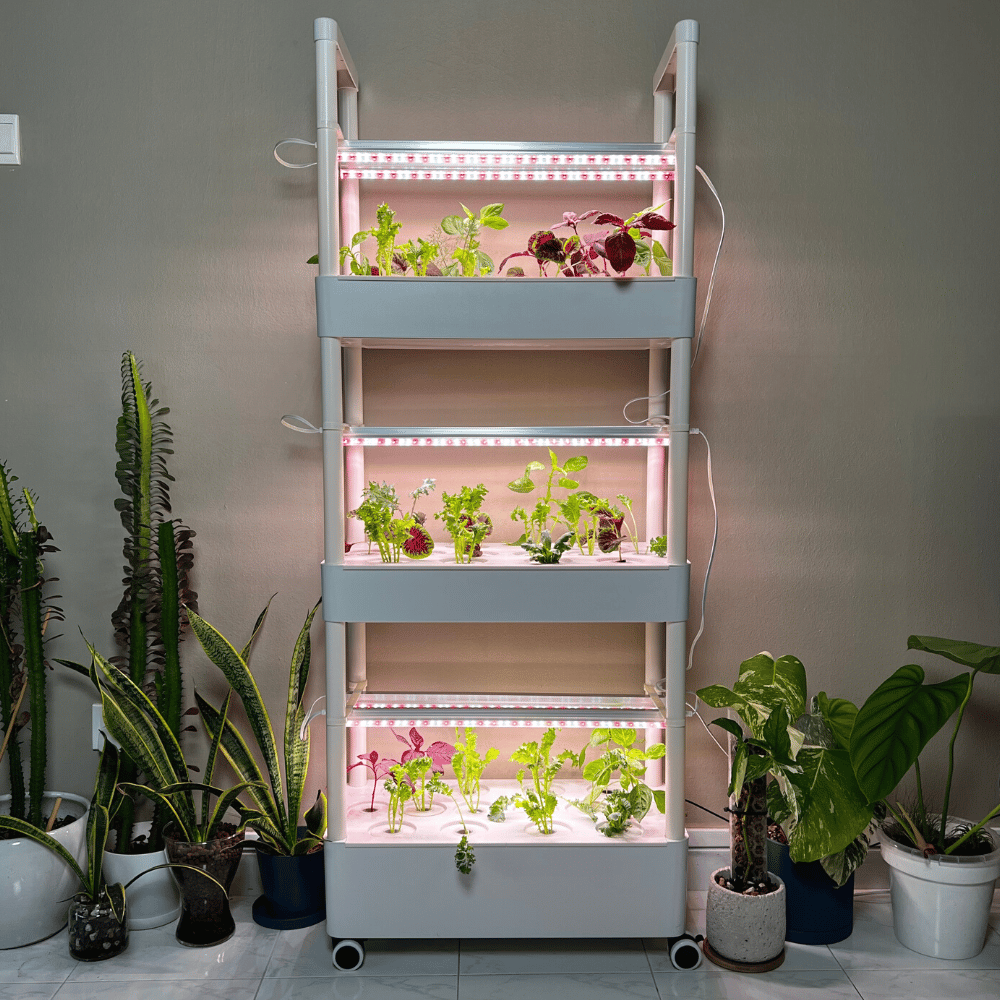
A hydroponic tower system lets you grow herbs and leafy crops vertically, using a circulating nutrient solution instead of soil. The Sprout Lab Hydroponic Tower System Set is designed for people who want several planting positions in a small footprint, such as a balcony corner or a spare space near a window. This page explains what to check before you buy, how a hydroponic tower system is usually run, and which guides help you get started.
Why choose a hydroponic tower system?
Vertical planting uses height instead of floor area, which matters in a Singapore flat. A circulating system moves nutrient solution past the roots instead of leaving them in still water, and every plant is fed from one shared reservoir. A hydroponic tower system suits you when you want to grow suitable herbs or leafy crops and are willing to check the reservoir regularly.
- Vertical format for balconies and compact growing areas
- Multiple planting positions in one footprint
- Circulating system for suitable hydroponic crops
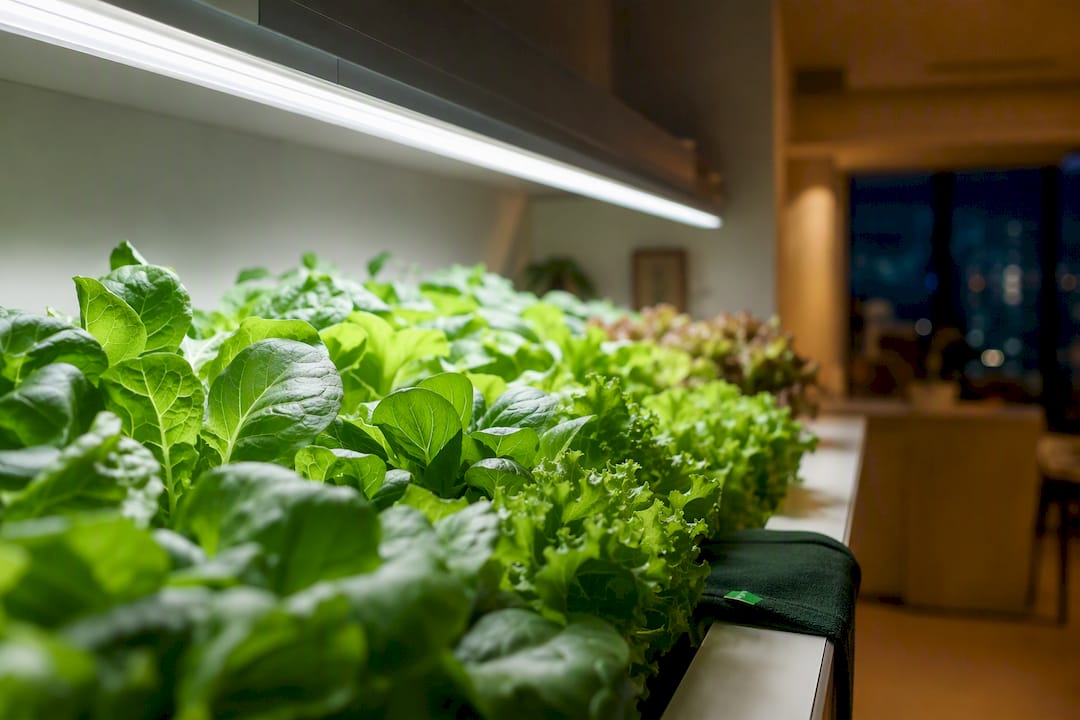
How to set up and run your hydroponic tower system
Assemble the tower according to the supplied instructions, test circulation before adding plants, then monitor water level, pH, nutrient strength, temperature and pump operation. Hydroponic growing replaces many of soil’s buffering functions with active management, so small, regular checks matter more than occasional large corrections.
- Confirm that the component fits the system and crop you plan to use.
- Set up with clean equipment and follow the product or system instructions.
- Record reservoir readings and plant response so adjustments are measured rather than guessed.
Keep the product packaging and instructions available during setup. If the plants respond poorly, stop, review the last change and correct the underlying condition before adding something else.
Light, placement and heat for a hydroponic tower system
Plants in a hydroponic tower system still need suitable light at leaf level, whether from a bright position or a grow light. On a balcony, consider rain exposure, wind and the stability of a filled reservoir. Warm solution holds less dissolved oxygen, so shade and airflow help in Singapore’s heat; our balcony hydroponics setup guide covers the practical differences between indoor and outdoor placement.
Nutrients and measuring
Use a nutrient product formulated for hydroponics, such as the Hydroponic Nutrient Concentrate, and follow its directions for your crop and water volume. An EC meter measures conductivity, and pH is a separate check; University of Minnesota Extension’s small-scale hydroponics guide explains the underlying monitoring. Our guides to the hydroponic pH range and a hydroponic nutrient schedule go into more detail.
What to prepare before your hydroponic tower system arrives
Choose the spot first and measure it. Allow room to reach the reservoir, lift out removable parts and clean around the base, and make sure the floor or shelf is level and can carry the weight of a filled system. A spill tray or mat under the tower catches drips during refilling.
Decide where the power will come from. Keep plugs, timers and transformers above the reservoir and away from splashes, and follow the manufacturer’s instructions for every electrical part. If you need an extension lead, use one suited to damp environments rather than improvising.
Plan your first crop and your measuring routine in advance. Have seeds or seedlings ready that suit your position, a nutrient product for hydroponics, and a way to check pH and conductivity. Having these ready means the tower starts working the day it is assembled instead of sitting empty.
Is a hydroponic tower system better than growing in soil?
Neither is automatically better. A hydroponic tower system saves floor space and makes roots easy to inspect, but it asks for regular checks of the solution, a power supply and a little equipment. Soil is more forgiving of missed checks and suits larger or slower plants, and our soil and potting mixes page helps if you decide it is the better fit for your space.
Check before ordering your hydroponic tower system
Confirm the number of planting sites, installed dimensions, power access and components included in the selected set. A tower still requires routine reservoir care and suitable light.
- Current options: Review the current product page for the supplied size, quantity and included components.
- Price and availability: use the live selector and price shown above; these can change without rewriting the care guidance.
- Local conditions: account for Singapore heat, humidity, rain exposure and indoor air-conditioning where relevant.
Build a complete setup around your hydroponic tower system
Explore the hydroponics range and our hydroponics in Singapore overview, start with the beginner’s hydroponics guide, and check compatibility with Sprout Lab when combining components. For crop ideas, see our guide to plants for your hydroponic system.
The surrounding water, nutrients, light and day-to-day observation still determine whether your crop can use the tower successfully. A hydroponic tower system solves the layout; it does not replace the routine.
When a hydroponic tower system may not be the right choice
If you only want one or two plants, a simpler container or a microgreen kit may be easier to maintain. A tower also needs a place where you can reach the reservoir, reach a power outlet safely, and tolerate the sound of circulation. The more closely you match the product to the way you will actually use it, the easier it is to look after and to judge whether it is helping.
Cleaning and maintaining your hydroponic tower system
A circulating system is only as reliable as its flow, so keep the pump intake and the channels the solution passes through free of debris. Rinse removable parts between crops following the manufacturer’s instructions, and avoid cleaning agents the instructions do not recommend, because residues can harm roots.
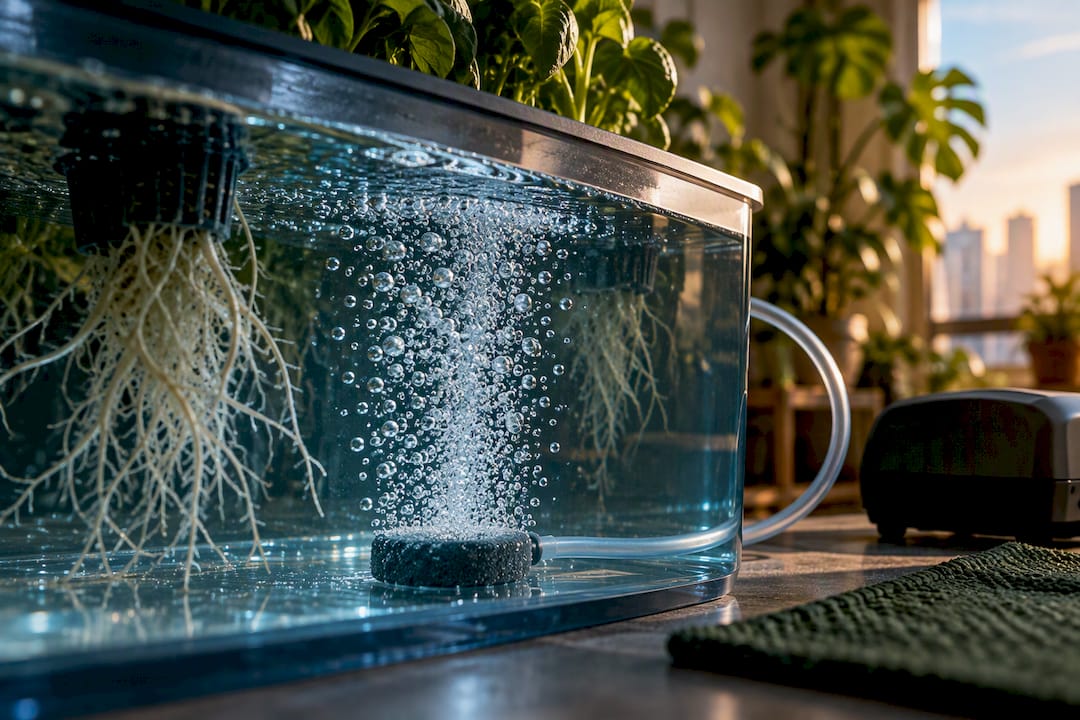
Algae grows wherever light reaches the solution, so keep the reservoir covered and out of direct sun. If you see green film or slime, our guide to algae in hydroponics explains how to respond without disturbing the plants more than necessary.
Common problems with a hydroponic tower system
Weak growth is usually a light, solution or equipment issue rather than a single cause. Check that the pump is running, the water level is above the intake, and the plants receive enough light before changing anything else. Change one thing at a time and note the result.
Wilting plants in a wet system can point to root problems or a warm reservoir. Our guides to root rot in hydroponics and hydroponic water temperature explain what to check, and you can always contact us with photos of both the roots and the system.
If circulation slows or stops, switch the system off safely and look for blockages or a failing pump before restarting. Do not run a circulating pump dry, and keep electrical connections above the reservoir and away from splashes.
Your first week with a hydroponic tower system
Start small. Fill only some of the planting positions at first, so you learn how the reservoir, circulation and light behave before the whole tower is planted. Record the starting water volume, what you added and the readings you took, because a short log makes later problems much easier to diagnose.
Check circulation every day in the first week. Look for even flow, confirm the water level has not dropped below the pump intake, and wipe up any splashes around electrical connections. If anything looks different from the manual, stop and ask before continuing.
Expect seedlings and young plants to establish slowly. Resist the urge to add extra nutrient to speed things up; follow the label for the crop and adjust only after you have observed how the plants respond over several days.
Hydroponic tower system questions
What can I grow in a hydroponic tower system?
Herbs and leafy greens are the usual choices for a vertical tower because they are compact and harvested young. Our guide to plants for your hydroponic system compares leafy greens with fruiting crops, which generally need more light and space than a tower provides.
Can a hydroponic tower system go on a balcony?
It can, if the position suits the plants. Check how much rain reaches the spot, whether wind could tip a filled reservoir, and whether power can be supplied safely. Direct afternoon sun can warm the solution, so some shade often helps.
How often should the water be changed?
The right interval depends on the crop, reservoir size and conditions, so follow the system instructions and your own readings. Our hydroponic water change guide explains how to decide between topping up and replacing the solution.
Does a hydroponic tower system need electricity?
A circulating system moves solution with a pump, so it needs a power supply, and lighting adds to that if you use a grow light. Confirm the power requirements listed for the set you choose before deciding where it will sit.
How much space does a hydroponic tower system need?
Check the installed dimensions listed for the set you choose, then add working room around it. You need space to reach the reservoir, open the system for cleaning and move around it safely, so a corner that only just fits the tower is rarely enough.
Can I add a grow light to a hydroponic tower system?
Many growers do when natural light is limited, but check what the set includes and how a light would be mounted before you buy. Keep any lighting equipment and its power supply clear of splashes, and match the light to the crops you plan to grow. Our grow lights page lists the options currently available.
Is a hydroponic tower system good for beginners?
It can be, provided you are ready for a small daily routine. Read our hydroponics for beginners guide first, and contact us with your space and crop plans if you are unsure.
Need help confirming the fit?
Check the listed dimensions, options and label details first. You can also contact Sprout Lab with a clear photo of your space, measurements of the available area, and the crops you want to grow in your hydroponic tower system.