Hydroponic gardening is a great way to grow plants without soil. It offers many benefits like faster growth and higher yields. This guide to plants for your hydroponic system covers what to grow whether you are new to hydroponics or looking to expand your knowledge.
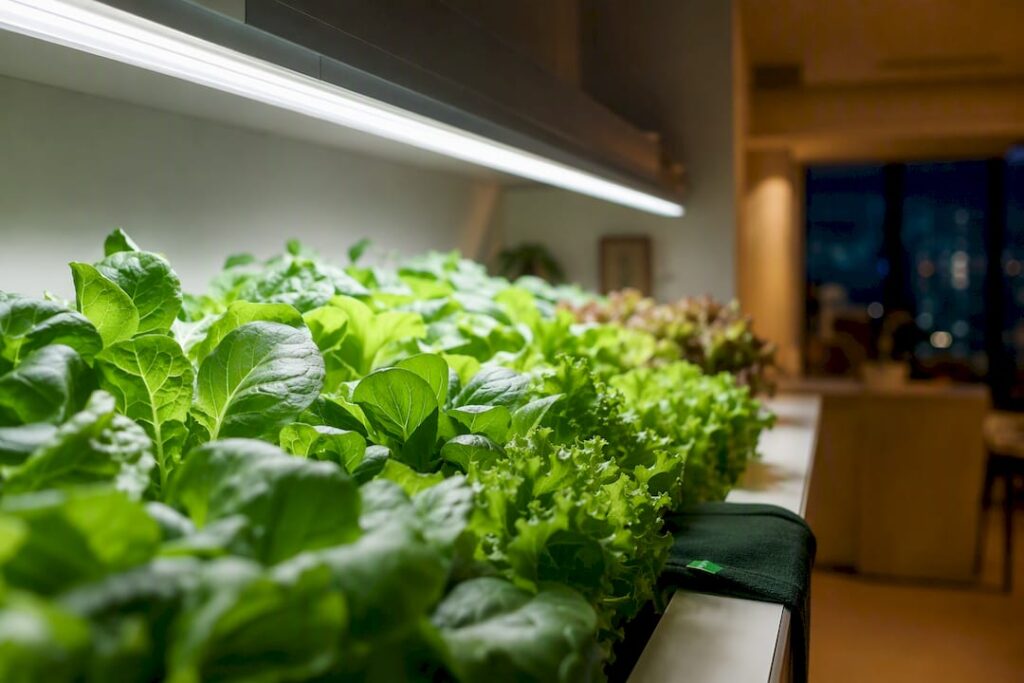
Hydroponics works by delivering nutrients directly to plant roots through water. This method allows for more control over growing conditions and can be done indoors or outdoors. Because there is no soil to hold nutrients, hydroponic plants can grow up to 50% faster than those planted in soil.
Different plants thrive in hydroponic systems, and each type has its own requirements. Leafy greens are popular for their fast growth and simple care, while fruit-bearing plants need more attention but offer delicious rewards. Knowing which plants suit your hydroponic system will help you achieve the best results.
Exploring various plants for your hydroponic system can open up new possibilities for your garden. With the right choices, you can enjoy fresh produce all year round. Whether you want to grow lettuce, tomatoes, or herbs, hydroponic gardening provides a versatile and productive way to cultivate your favourite plants.
Choosing Plants for Your Hydroponic System: The Basics
Hydroponics involves growing plants in a nutrient-rich water solution without soil. This method allows for precise control over nutrients and growing conditions, making it easier to provide the best environment for plant growth. To succeed in hydroponics, selecting the right plants for your hydroponic system is crucial. Some plants adapt better to hydroponic systems than others.
When choosing plants for hydroponics, consider their growth rate, root structure, and light requirements. Plants with fast growth rates, like leafy greens and herbs, are often easier to grow hydroponically. They require less space and adapt well to the soilless environment. Root structure is also important; plants with small, fibrous root systems fit better in hydroponic setups than those with large, sprawling roots.
Additionally, assess the light needs of each plant. Hydroponic systems can be set up indoors or outdoors, and lighting options vary from natural sunlight to artificial grow lights. Some plants need more light than others, so choose plants that align with the available light conditions in your growing area. Understanding these factors will help you select the best plants for your hydroponic system.
Microgreens and sprouts are worth a mention too, since they are among the fastest plants for your hydroponic system to reward a new grower. A tray of microgreens can be ready to cut within one to two weeks, which makes them a good way to confirm your lighting and watering routine works before committing to a slower-growing crop.
Spacing matters as much as plant choice. Crowding leafy greens too closely cuts airflow between leaves and slows growth, while giving fruiting plants too little room limits how large the root system, and eventually the harvest, can get. Checking the spacing a variety needs before planting avoids having to thin out healthy seedlings later.
Best Leafy Green Plants for Your Hydroponic System
Leafy greens are some of the most reliable plants for your hydroponic system. They grow quickly, require minimal space, and are easy to care for. Here are some of the best leafy green plants for your hydroponic system to consider:
Lettuce: Lettuce is one of the most popular hydroponic plants. It grows quickly and can be harvested in about 30 days. Varieties like romaine, butterhead, and leaf lettuce thrive in hydroponic systems.
Spinach: Spinach is another great option. It grows well in cooler temperatures and provides a nutritious addition to your diet. Baby spinach leaves are ready to harvest in as little as 4-6 weeks.
Kale: Kale is a hardy green that does well in hydroponic setups. It requires more light than lettuce or spinach, so make sure it gets adequate illumination. Kale leaves can be harvested continuously by picking the outer leaves.
Swiss Chard: Swiss chard adds vibrant colour to your hydroponic garden. It grows well in various light conditions and can be harvested leaf by leaf.
Arugula: Arugula, also known as rocket, has a peppery flavour and grows quickly in hydroponic systems. It’s best harvested when the leaves are young and tender.
These leafy greens are some of the best plants for your hydroponic system, thanks to their fast growth and easy care. Experiment with different varieties to find the ones that best suit your taste and growing conditions. By selecting the right leafy greens, you can enjoy a continuous supply of fresh, home-grown produce year-round.
Herbs are also worth considering alongside leafy greens and fruiting crops. Basil, mint, and chives adapt well to the same nutrient and light conditions that suit lettuce and spinach, and harvesting a few leaves at a time encourages more growth rather than exhausting the plant.
Fruit-Bearing Plants for Your Hydroponic System
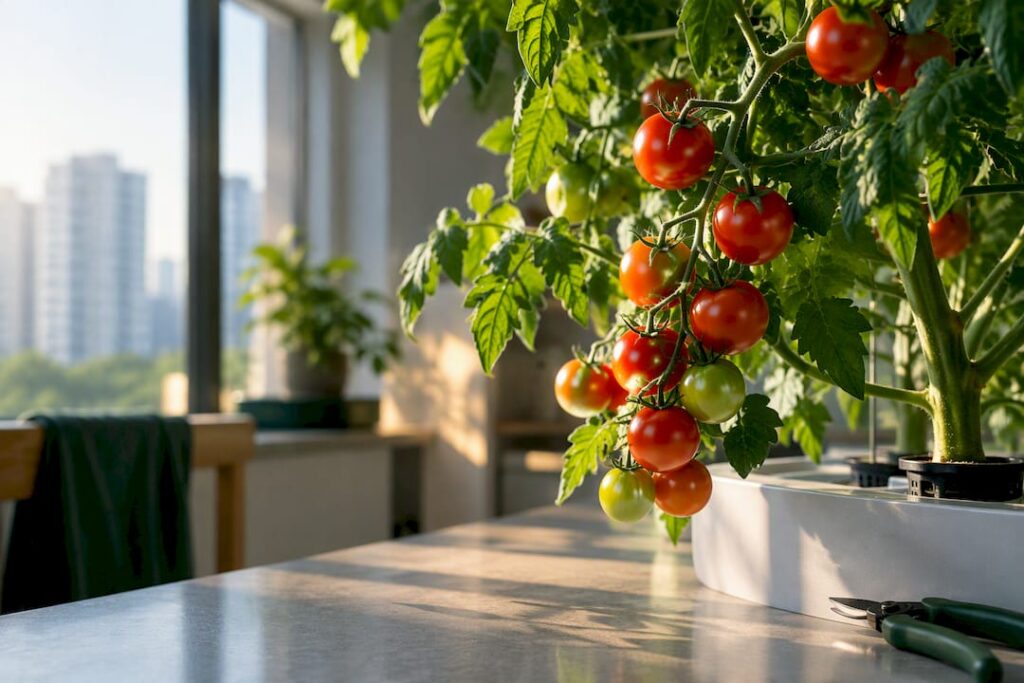
Growing fruit-bearing plants for your hydroponic system can be very rewarding. These plants require a bit more attention and care, but the fresh produce is well worth it. Here are some fruit-bearing plants that thrive in hydroponic setups:
Tomatoes: Tomatoes are one of the most popular choices for hydroponic gardening. They require plenty of light and a larger growing space. Varieties like cherry tomatoes and dwarf tomatoes are well-suited for hydroponics.
Strawberries: Strawberries are another excellent option. They need plenty of light and prefer a slightly acidic nutrient solution. Hydroponically grown strawberries can produce fruit year-round if given the right conditions.
Cucumbers: Cucumbers grow rapidly in hydroponic systems. Choose compact or bush varieties to save space. They need support as they grow, so be prepared to provide trellises or stakes.
Peppers: Both sweet and hot peppers do well in hydroponics. They need warm temperatures and ample light. Peppers can produce a bountiful harvest with the right care.
Eggplants: Eggplants are another good choice for hydroponics. Choose smaller varieties for easier management. They require plenty of light and space to spread out.
These fruit-bearing plants are also excellent choices among plants for your hydroponic system, letting you enjoy fresh, home-grown produce without the need for soil. Ensure you provide adequate light, nutrients, and space for these plants to thrive.
Tips for Growing Plants in Your Hydroponic System
Getting the most from your plants for your hydroponic system requires some know-how. Here are some tips to help you achieve the best results:
Monitor Nutrient Levels: Regularly check the nutrient levels in your water solution. Plants need balanced nutrients to grow well. Adjust the solution as needed to keep it within the optimal range for your plants.
Maintain Proper pH: The pH of your nutrient solution is critical. Most plants prefer a pH range of 5.5 to 6.5, per Oklahoma State University Extension guidance on hydroponic pH. Regularly test and adjust the pH to ensure your plants can absorb nutrients effectively.
Ensure Adequate Lighting: Light is crucial for plant growth. Ensure your hydroponic plants receive enough light, whether from natural sources or grow lights. Adjust the light duration and intensity based on the needs of each plant.
Provide Proper Air Circulation: Good air circulation helps prevent fungal diseases and promotes healthy growth. Use fans to ensure proper air movement around your plants.
Keep the System Clean: Regularly clean your hydroponic system to prevent algae and pathogen build-up. This helps maintain a healthy environment for your plants.
Monitor Water Temperature: Keep the nutrient solution at the proper temperature. Most plants prefer a range of 18-22°C. Use a water heater or chiller if necessary.
By following these tips, you can keep any of the plants for your hydroponic system thriving. Pay attention to the needs of your plants and adjust your system accordingly for the best results.
Conclusion
Hydroponic gardening offers a unique and efficient way to grow plants. By understanding hydroponics and carefully choosing the right plants for your hydroponic system, you can create a diverse and productive garden. Leafy greens and fruit-bearing plants are both reliable plants for your hydroponic system when given the correct care and environment.
Following the tips for successful hydroponic gardening will ensure your plants thrive and produce abundant harvests. Regular monitoring of nutrients, pH levels, lighting, and overall system cleanliness is vital for maintaining a healthy garden.
New hydroponic growers often do best starting with one or two reliable leafy greens before adding a fruiting plant to the system. This keeps the nutrient and pH routine simple while you get used to how your specific setup behaves, before taking on a crop with higher light and feeding demands.
Whatever plants for your hydroponic system you choose, keeping a simple log of what you planted, when, and how it responded makes the next round of choices easier. Patterns that are hard to notice day to day, like which varieties bolt early or which need more frequent feeding, become obvious once you can look back over a few cycles.
Temperature swings affect plant choice as much as light does. A system that runs warm for part of the day may suit heat-tolerant fruiting plants better than cool-season leafy greens, which can bolt and turn bitter once temperatures climb for an extended stretch.
Harvest timing differs a lot between the plants for your hydroponic system covered above. Cut-and-come-again leafy greens can be harvested gradually over weeks, while many fruiting crops need one larger harvest window once fruit ripens, so plan reservoir size and feeding schedules around whichever pattern your chosen plants follow.
Pollination is one detail that’s easy to overlook indoors. Outdoor fruiting plants rely on wind and insects, but an indoor hydroponic setup may need a gentle hand pollination routine, lightly brushing open flowers, to set fruit reliably without that outside help.
At Sprout Lab, we are committed to helping you succeed in your hydroponic gardening journey. Whether you’re a beginner or an experienced gardener, the right plants, tools, and knowledge can make all the difference. Start your hydroponic adventure today and enjoy the benefits of fresh, home-grown produce year-round. Happy gardening!