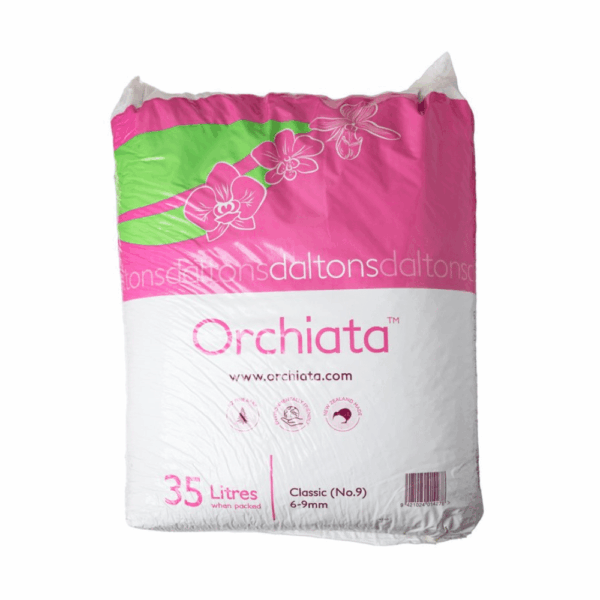
Orchid media
Compare bark, airy components and pots for orchid roots.
Explore orchid media ↗SPROUT LAB · SINGAPORE
Choose your soil mix by what the roots need. Sprout Lab's three core soil mixes cover aroid growing, general soil-grown houseplants and edible containers, with ingredients and sizes shown on each product page. Start with your plant, then consider the pot, light and how quickly its current medium dries. Not sure where to start? Look up your plant in the Which Mix finder.
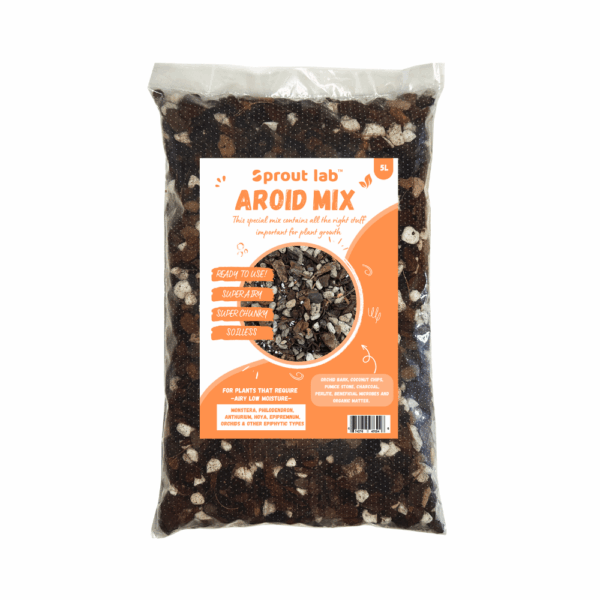
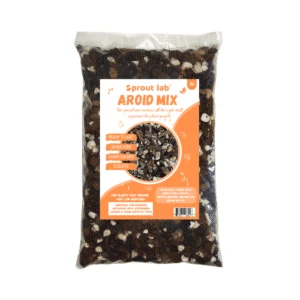
Root environment: open, soilless blend for many aroids.
Ingredients: pine bark, coco chips, pumice, perlite, biochar and zeolite. No added fertiliser.
Choose: Fine for smaller particles or Chunky for larger pieces; 5L or 25L.
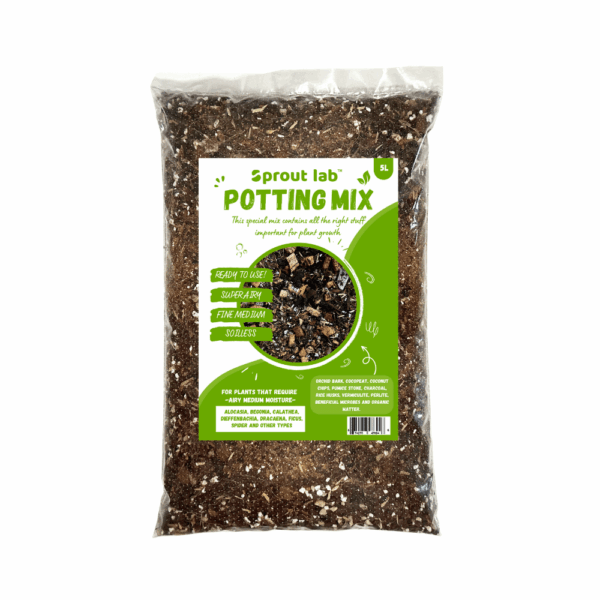
View Aroid MixStarting point: general soil-grown foliage, ferns, palms and flowering houseplants.
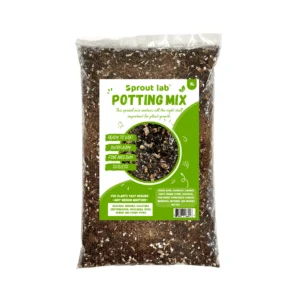
Ingredients: peatmoss, pine bark, pumice, perlite and biochar.
Choose: 5L for a smaller project or 25L for several containers.
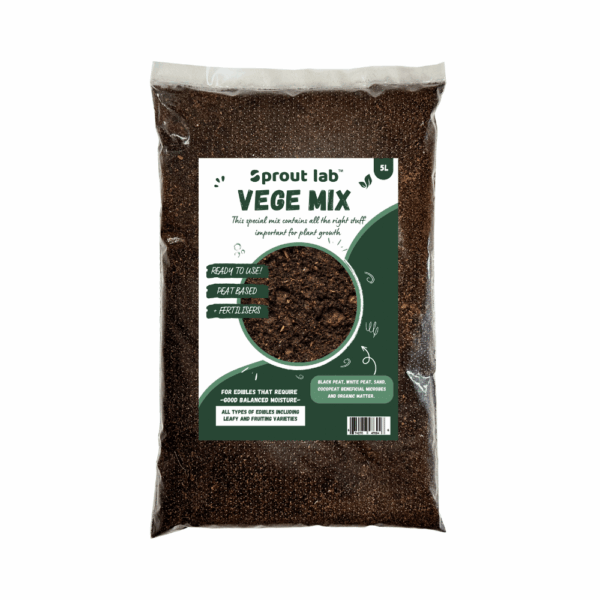
View Potting MixStarting point: herbs, leafy greens and fruiting container crops.
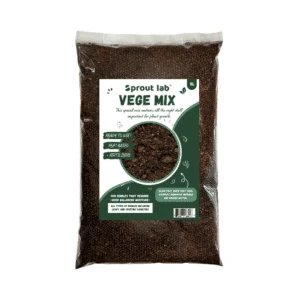
Ingredients: peatmoss base, organic soil and biochar, with moisture retention in mind.
Choose: 5L or 25L; match the pot and watering to the crop.
View Vege MixThese soil mixes are starting points, not fixed watering recipes. Find your plant in Which Mix, then choose the texture and container for its roots and your light.
Singapore's climate does not make every pot of soil mix behave alike. A sheltered indoor plant may stay moist while a breezy balcony pot dries quickly. Sun, rain exposure, airflow, pot material and root size all influence how often you need to water.
Use the soil mix as one part of the growing setup. Keep drainage outlets clear, check moisture below the surface and avoid leaving a draining pot standing in collected water. Choosing a fast-draining soil mix is not a licence to water on a fixed schedule.
A soilless potting mix is a container medium with no mineral soil in it. The University of Connecticut’s home and garden extension explains that soilless mixes contain no sand, silt or clay, and that common ingredients include perlite, vermiculite, sphagnum moss and composted softwood bark, with peat moss as a main ingredient in many.
The same source notes that perlite improves drainage and aeration, while bark-based products aerate well but dry out faster than peat. That trade-off sits behind every soil mix on this page: more air in the root zone usually means faster drying, and more moisture retention usually means less air.
Sprout Lab’s Aroid Mix is a soilless blend of pine bark, coco chips, pumice, perlite, biochar and zeolite with no added fertiliser, so it is the most open of our three soil mixes. Potting Mix combines peatmoss with pine bark, pumice, perlite and biochar for a more moisture-holding general blend, and Vege Mix uses a peatmoss base with organic soil and biochar. This is our own description of the products as listed, not a laboratory comparison.
In everyday use, “soil mix” and “potting mix” overlap, and shops use both terms loosely. What matters is the ingredient list and particle size, so read those rather than relying on the name alone.
Plants with thick, air-loving roots, such as many aroids, are usually grown in chunkier, airier media. Our guides on aroid potting mix mistakes and how to use Aroid Mix cover that case. General foliage plants suit a more moisture-holding blend such as Potting Mix, and herbs and vegetables in containers lean towards Vege Mix. These are starting points from Sprout Lab’s own guidance; your light, pot and watering still decide the outcome.
If your current soil stays soggy or sets hard, our guide to compacted potting soil walks through the likely causes before you replace anything, and choosing a potting mix for indoor plants covers the indoor case. Orchids are different again: they use bark-based media, covered on our orchid potting mix page.
After repotting, watch three things over the first few weeks: how quickly the surface dries, whether water drains freely from the outlet, and how the plant’s leaves and new growth respond. Press a finger or a wooden skewer below the surface to judge moisture instead of watering by the calendar.
If the soil mix dries faster than you can keep up with, a more moisture-retentive blend or a smaller pot may help. If it stays wet for days, check light, drainage outlets and pot size first, then consider a more open blend. Change one thing at a time so you can tell what worked.
Fertiliser is a separate decision. Soilless blends with no added fertiliser, like Aroid Mix, need a feeding plan; see our plant care products and follow each label. Still unsure which soil mix fits? Search your plant in Which Mix, our plant-by-plant finder covering 138 plants.
Keep notes for the first month: the date you repotted, which soil mix you used, how often you watered and what the plant did next. A short record makes it much easier to adjust. Plants in the same room can still need different soil mixes, because a thick-rooted aroid, a fern and a pot of basil each draw water and air at a different pace. If you are repotting several containers at once, start with one pot and watch it for a couple of weeks before changing the rest.
Herbs and container vegetables ask more of a soil mix than most foliage plants because they grow quickly and are watered often. A blend with good moisture retention helps the root zone stay evenly damp between waterings, while enough air in the mix keeps roots from sitting in stale, soggy material. Sprout Lab’s Vege Mix is built on a peatmoss base with organic soil and biochar with that balance in mind.
Pot choice matters as much as the soil mix. A pot with drainage holes and enough depth gives roots room, and a larger volume of soil mix dries out more slowly than a small one. Leafy herbs, chillies and tomatoes all behave differently, so check the root zone before watering and adjust the amount to the crop rather than following a fixed timetable.
Container crops also need feeding, because a growing medium is only the starting point for nutrition. Read the label of any fertiliser you add, and see the plant care products page for what we stock. If you would rather grow without any soil mix at all, our hydroponics guide shows how a soil-free setup works.
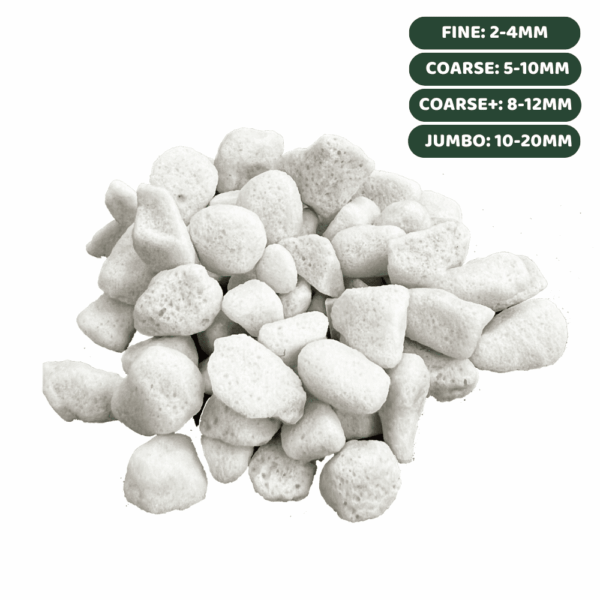
A ready-to-use soil mix is a practical choice when you want a defined starting point. Individual materials such as perlite, pumice, coco coir and orchid bark are useful when you understand which property you want to change, such as particle size or moisture retention.
Adding more ingredients to a soil mix is not always an improvement. First identify what is happening in the existing pot. Soil that remains wet could reflect insufficient light, a blocked outlet or an oversized container as well as the medium itself.
Estimate the space around the root ball, not only the total capacity of the new pot. A 5L bag of soil mix suits a smaller project; 25L is convenient for several containers or a larger setup. For large planters, calculate the volume and consider the filled weight before placing them on a shelf or stand.
Repot when the plant and soil mix need it, rather than because a calendar says it is time. Our Which Mix guide helps with plant selection, and the care guides explain common watering, root and repotting problems. Each product below gives the blend's ingredients and available options so you can make a specific choice.
Use the pot’s inside measurements in centimetres. For a straight-sided round container: litres ≈ 3.14 × radius × radius × fill depth ÷ 1,000. For a rectangular planter: litres = length × width × fill depth ÷ 1,000.
At a 15cm fill depth, a straight-sided cylinder holds about 2.7L before allowing for roots.
At a 20cm fill depth, a straight-sided cylinder holds about 6.3L before allowing for roots.
At a 20cm fill depth, a rectangular planter holds 24L before allowing for roots.
These are geometric examples, not measured capacities of products we sell. Tapered pots hold less than an equivalent cylinder. Leave watering space at the rim and subtract the volume occupied by the existing root ball. Compare 5L and 25L Potting Mix or choose the blend for your plant.
Not in this range. Sprout Lab Potting Mix is a peatmoss-based blend for general soil-grown plants. Aroid Mix is a soilless blend with Fine and Chunky textures. Choose according to the plant and growing setup.
Start with Vege Mix as your soil mix, then match the container, light and feeding to your crop. Herbs and fruiting vegetables have different needs, so monitor the root zone rather than following one watering schedule.
A soil mix and plant nutrition are separate decisions. Aroid Mix has no added fertiliser. Check your plant's needs and the label of any feed rather than assuming a bag will provide all nutrition indefinitely.
A soilless mix contains no mineral soil and relies on components such as bark, perlite or peat for structure. Soil mix is a looser everyday term for any ready-blended container medium. Check the ingredient list on the product page to see which kind you are buying.
Start from the plant’s root type and your growing conditions, then compare Aroid, Potting and Vege Mix above. The Which Mix finder lists 138 plants with a suggested starting point for each.
Move from the soil mix to the wider setup without losing the reason behind each choice.
Compare bark, airy components and pots for orchid roots.
Explore orchid media ↗Build a soil-free system with suitable parts and a maintainable routine.
Explore hydroponics ↗Compare compact lights and stands for indoor growing spaces.
Explore grow lights ↗