Plant problem guides
Identify likely causes and useful checks before choosing a treatment or changing several things at once.
Browse care guides ↗SPROUT LAB · SINGAPORE
A useful plant-care routine starts with the problem you want to solve. Browse Sprout Lab's range for routine nutrition, pest care and supplementary support, then follow the selected product's label. The right light, water and root environment remain the foundation for every plant.
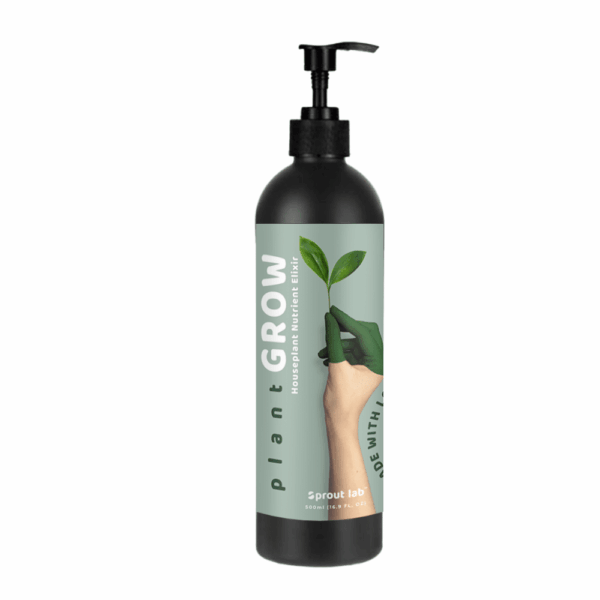
Routine feeding: liquid fertiliser concentrate for established plants.
Check the bottle for dilution and supported application methods. Feeding cannot compensate for insufficient light or waterlogged roots.
View Plant GROWIdentified pests: compare the pest and plant with the product’s labelled uses.
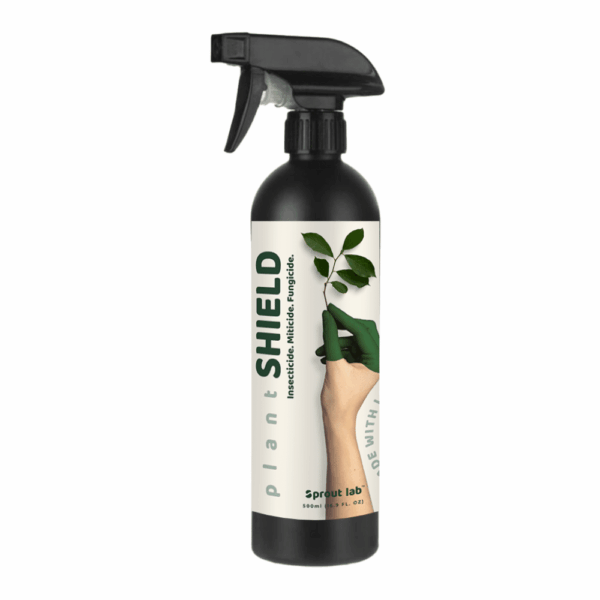
Start with identification. A fertiliser or recovery spray does not manage an active infestation.
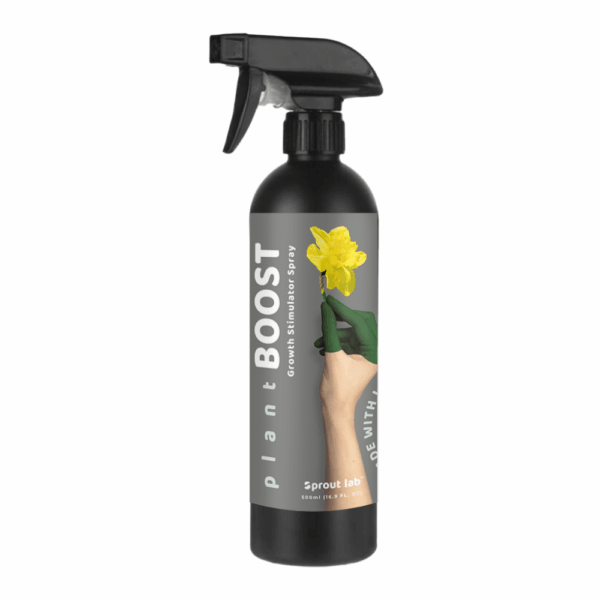
View Plant SHIELDSupplementary growth support: an optional addition when light, water and nutrition are already appropriate.
It is not an automatic replacement for a fertiliser programme.
View Plant BOOSTRecovery support: a 500ml spray to consider after identifying and addressing the cause of stress.
It is not presented as a cure for root rot or plant disease.
View Plant HEALOrnamental flowering support: a 500ml spray positioned for orchids and other flowering ornamentals.
Check light, roots and the plant’s growth cycle first. Flowering is not guaranteed.
View Plant BLOOMA yellow leaf or white mark is a symptom, not a diagnosis. Check the roots, growing conditions and leaf undersides before buying.
You do not need every product. Use one for a clear purpose, follow its current directions, and check edible-crop suitability before applying anything to herbs or vegetables.
Yellow leaves can follow changes in light, water, roots or nutrition. Curling leaves and white marks also have several possible causes. Check leaf undersides, new growth, stems and the growing medium before deciding what to buy. Take photos so you can compare the condition over time.
Our guides help you work through common pest and growing issues. They start with identification and first actions, then explain when a product is relevant. Sometimes the most useful step is clearing drainage, adjusting watering or isolating an affected plant.
Read the actual bottle label before application. Concentrates, foliar sprays and products for equipment are not interchangeable. Follow the stated method, dilution and frequency rather than borrowing directions from another product with a similar name.
Keep a simple note of what you applied and when. Introducing several products together can make it harder to understand the plant's response and may conflict with label directions. Watch new growth and the diagnosed problem, not just the appearance of an old damaged leaf.
For herbs and vegetables, check that the exact crop and intended application are supported. Follow any harvest interval on a pest product. For orchids and other specialised plants, use the species-specific directions rather than a general houseplant routine.
In a Singapore flat, plants near air-conditioning, sheltered corridors and bright balconies can have very different growing conditions. Product choice should support those conditions, not try to compensate for a plant that needs more light or roots that remain constantly wet.
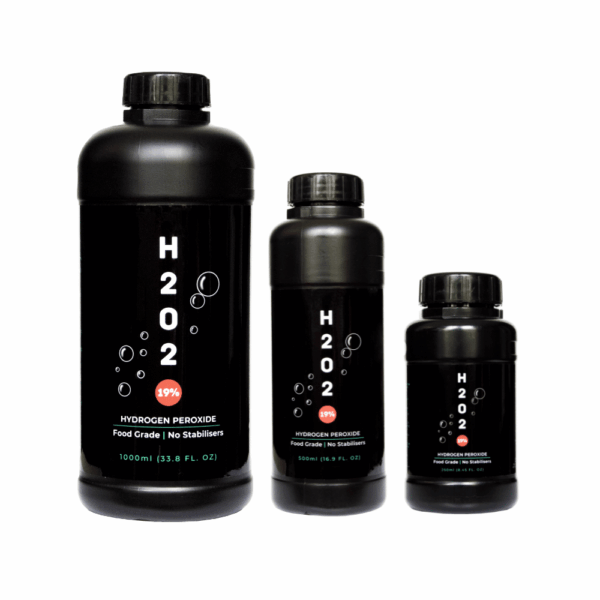
Hydrogen Peroxide Solution is a separate product whose use depends on its supplied concentration and label. Confirm the formulation and supported task before using it on equipment. A food-grade description is not permission to consume it or apply it directly to plants.
If you are unsure which product fits, contact us with a whole-plant photo, close-ups of symptoms and details of the pot and watering routine. For a medium problem, compare the three blends in Which Mix. A clear diagnosis makes both your shopping and ongoing care simpler.
Plant GROW is the liquid fertiliser concentrate. Follow its label for dilution and application. BOOST, HEAL and BLOOM have different support roles and should not automatically replace routine nutrition.
Identify the pest first, then check whether Plant SHIELD's current label supports that pest and plant. Our guides explain common look-alikes and first actions; a general symptom alone is not enough to choose a treatment.
Do not assume compatibility. Follow each label and avoid mixing products unless explicitly supported. Choose the relevant purpose, make a measured change and observe the response.
Use diagnosis, light, roots and regular observation to decide what the plant needs next.
Identify likely causes and useful checks before choosing a treatment or changing several things at once.
Browse care guides ↗Compare compact lighting setups for shelves, desks and deeper indoor spaces.
Explore grow lights ↗Choose systems, nutrients and measurement tools for a maintainable soil-free setup.
Explore hydroponics ↗