Growing hydroponic vegetables lets you grow food without soil, even in a small space. Growing plants without soil, known as hydroponics, offers a fascinating twist to traditional gardening. This method allows you to cultivate crops using a nutrient-rich water solution, making it perfect for urban settings. As cities grow and garden space becomes limited, hydroponics provides a feasible solution for those longing for fresh produce without needing a large plot of land. With technological advances, setting up a hydroponic system at home has become more accessible, offering a sustainable way to grow vegetables and herbs right in your living room or balcony.
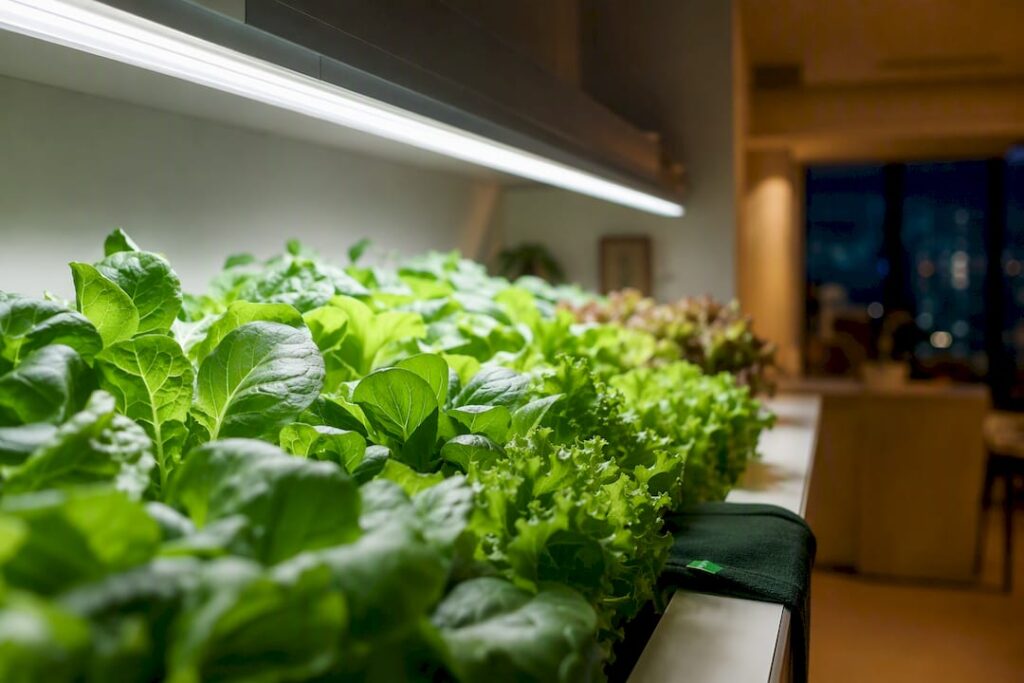
Hydroponic vegetables offer numerous benefits to urban dwellers, especially in cities like Singapore, where space is at a premium. By using this method, you can grow fresher and potentially more nutritious vegetables without the worry of pests that traditional soil might harbour. Hydroponics is not just an innovative gardening approach; it’s a practical solution to ensuring steady access to fresh produce. In the following sections, we’ll guide you step-by-step on how to start your very own hydroponic vegetable garden, from selecting the right equipment to reaping your first harvest.
Getting Started With Growing Hydroponic Vegetables
Embarking on your hydroponic journey requires an understanding of the basics. Hydroponics involves growing plants in a nutrient-rich water solution, eliminating the need for soil. This method allows plants to grow faster and healthier since they receive nutrients directly through the water.
To begin with, you need to gather some essential equipment:
– Grow trays: These are the containers where your plants sit. They need to facilitate proper drainage and support the plants.
– Nutrient solutions: These supply your plants with necessary nutrients to thrive. You can buy pre-mixed solutions or mix your own, but make sure they contain all essential micronutrients.
– Lighting systems: Adequate lighting, often using LED grow lights, ensures your plants perform photosynthesis effectively, even indoors.
Choosing the perfect spot for your hydroponic setup is crucial. Select a location with stable temperatures and enough space to accommodate your system. A corner in your living room or a spot on a balcony can work well, provided there’s adequate light. If natural light is scarce, investing in quality grow lights is essential. Starting with a simple, small-scale system can help you ease into hydroponics without overwhelming yourself. As you become more comfortable, you can expand and explore more complex systems tailored to your needs.
By understanding these basics, you’re setting a strong foundation for a successful hydroponic gardening experience. Whether you aim to grow your own leafy greens or flavourful herbs, getting the setup right from the start ensures a flourishing indoor garden.
Growing Hydroponic Vegetables: Choosing Your Vegetables
Selecting the right vegetables is the next step in setting up your hydroponic garden. Some vegetables thrive better in a hydroponic environment than others. Leafy greens like lettuce and spinach are excellent choices for beginners, as they grow quickly and are forgiving. Herbs such as basil, mint, and coriander can also flourish in this setting, providing fresh ingredients for your kitchen. For those looking to experiment a bit more, tomatoes and peppers are exciting options that reward you with delicious yields.
When choosing seeds or seedlings, it’s important to look for healthy, robust options. If you opt for seeds, make sure they are viable and fresh. Seedlings should appear strong and free from pests. Understanding the growth requirements of your chosen vegetables is key. Different plants have varying light, nutrient, and water needs, so a little research will go a long way in ensuring a successful harvest. As you become more familiar with hydroponics, you can begin to diversify your plant selection, trying out new and exotic varieties.
Setting Up Your System for Growing Hydroponic Vegetables
With your vegetables chosen, it is time to set up your hydroponic system. Begin by preparing the grow medium, which provides support for your plants while allowing the roots to access the nutrient solution. Options include coconut coir, rockwool, and clay pellets. Arrange your plants in the grow trays, ensuring each has enough space to grow comfortably. Once your plants are set, prepare the nutrient solution using a mix specifically designed for hydroponics. Dissolve these nutrients in water following the packaging instructions for the right concentration.
It’s now time to manage the water and light requirements. Regularly check that the nutrient solution level is adequate and adjust the pH to the optimum range for your plants. A pH meter can be handy for this task. Ensure your lighting system is working correctly and adjust it to mimic natural sunlight hours. Most plants benefit from 12 to 16 hours of light daily. Water your plants consistently, but be careful not to overwater, as this can lead to root rot.
Maintenance and Troubleshooting When Growing Hydroponic Vegetables
Regular maintenance of your hydroponic system is crucial to keep it running efficiently. Set a routine for daily monitoring of water levels, ensuring the system is functioning smoothly. Weekly, it’s wise to check and adjust the nutrient solution and pH levels, cleaning any components as needed to prevent algae build-up.
Common issues can arise, such as nutrient deficiencies. Signs to look for include discoloured leaves or stunted growth. Quick adjustments to your nutrient mix can often resolve these problems. Pests might occasionally make an appearance, so keeping an eye out for any unwanted guests is wise. System failures like pump malfunctions should be addressed immediately to avoid disruption to your plants’ growth.
Enjoying Your Harvest From Growing Hydroponic Vegetables
Knowing when to harvest is crucial, and it varies from plant to plant. Leafy greens can be picked once they reach a good size, often in as little as a few weeks. Tomatoes and peppers, however, might require a couple of months before they are ripe. Regular harvesting can actually promote growth in some vegetables, like lettuce and basil, keeping your garden productive over time.
Once harvested, there are countless ways to enjoy your fresh produce. Leafy greens make excellent salads, while herbs like basil can be pestled into a fragrant pesto. Storage is also simple; a refrigerator can keep your vegetables fresh for consumption over several days. Consider sharing the surplus with friends or family, showcasing your hydroponic success.
Growing Hydroponic Vegetables in Singapore: A Rewarding Journey
Hydroponic gardening is a fulfilling way to ensure a continuous supply of fresh vegetables, especially in a city like Singapore. The compact, efficient systems fit well into urban living spaces, turning even the smallest apartments into flourishing green spaces. This sustainable method not only reduces the need for extensive gardening plots but also cuts down on water usage compared to traditional farming.
With the right approach and some patience, anyone can succeed in growing their own hydroponic vegetables. Each harvest will boost your confidence and deepen your enthusiasm for this innovative approach to gardening. Start your journey today, and enjoy the flavours and satisfaction of growing your own food indoors.
Hydroponic gardening is not just about growing plants; it’s about exploring a modern way to bring nature into your urban space in Singapore. If you’re interested in starting your own system, Sprout Lab offers a curated selection of supplies designed to support hydroponics vegetables at home. From planting mediums to reliable grow lights, you’ll find everything you need to make your indoor garden thrive. Start enjoying home-grown produce with the right tools for success.
Tips for growing hydroponic vegetables
Growing hydroponic vegetables works best when you start with easy crops. Leafy greens and herbs are common first choices for growing hydroponic vegetables because they grow quickly and stay compact.
When growing hydroponic vegetables, check water level, nutrient strength and pH on a regular schedule. Growing hydroponic vegetables is easier when the routine is simple and consistent.
Keep light and temperature in mind when growing hydroponic vegetables. Too little light gives stretched plants, and warm water can stress roots.
See our easy hydroponic vegetables and hydroponics for beginners guides for crop and system ideas for growing hydroponic vegetables.
Quick answers about hydroponic vegetables
Which vegetables are easiest? Lettuce and other leafy greens, and herbs such as basil, are common first choices.
Do plants need sunlight? They need light, from a bright window or a suitable lamp.
How often do I change the water? Follow your system guidance and check the solution regularly. Many growers change it on a routine.
Is it harder than soil? It can be easier or harder depending on the crop and system. It needs regular checks of water, nutrients and light.
How long until the first harvest? It depends on the crop and conditions, so follow the seed packet and observe the plants.
Common hydroponic mistakes
Letting the reservoir get too warm or too bright encourages algae and stresses roots.
Using the wrong nutrient strength can burn plants or leave them pale.
Choosing difficult crops first can be discouraging, so begin with easy ones.
Growing hydroponic vegetables in Singapore
Growing hydroponic vegetables in Singapore suits balconies and bright windows. When growing hydroponic vegetables outdoors, shade the reservoir and protect the system from heavy rain.
Growing hydroponic vegetables indoors needs enough light, so consider a lamp if the window is dim. Growing hydroponic vegetables well means matching crop, light and system.
Harvest little and often when growing hydroponic vegetables, and keep notes on what worked.
Further reading
University of Illinois Extension’s home hydroponics guide describes lettuce as the easiest choice for a passive setup, with kale, basil and cilantro also working, and advises beginners to start with one type of plant.