You can propagate plants from cuttings with a few simple supplies. Growing new plants from cuttings is a rewarding way to expand your garden and share your favourite plants with friends. By taking a piece of an existing plant and nurturing it into a full-grown specimen, you not only save money but also gain a deeper understanding of your plants’ growth patterns.
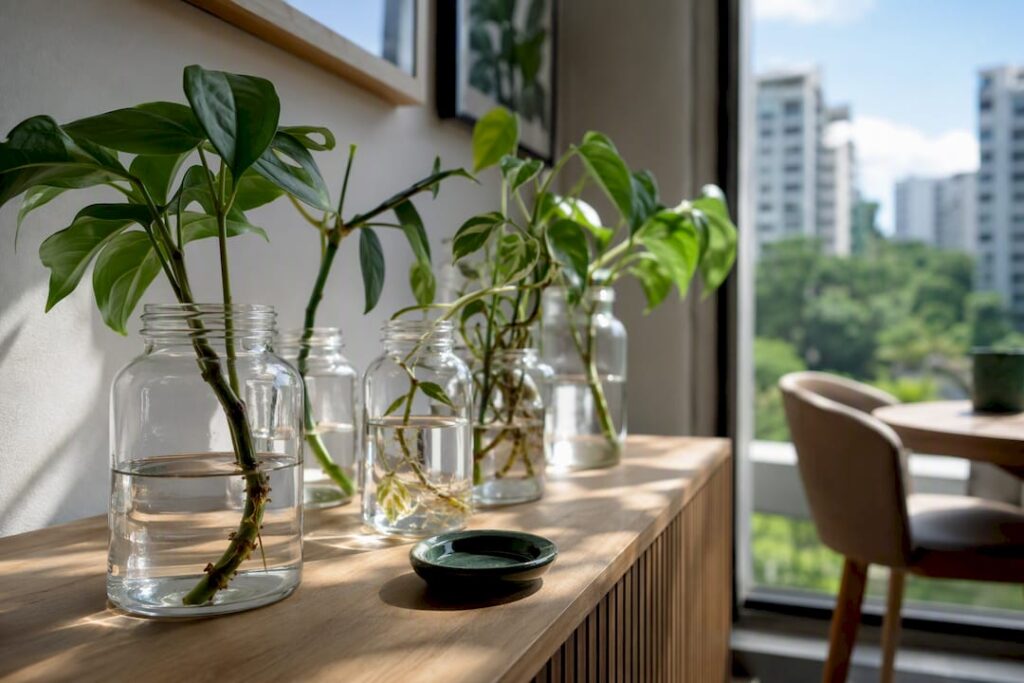
Plant propagation from cuttings is a fun and engaging activity for plant lovers of all skill levels. Whether it’s a stem, leaf, or root cutting, the process is relatively straightforward, yet requires attention to detail and patience to succeed. Choosing the right plant and providing optimal conditions are key to encouraging root development.
This method of plant reproduction is perfect for houseplants, outdoor gardens, and hydroponic systems alike. As you begin your journey into plant propagation, you’ll find that it enhances your connection with nature and fuels your passion for gardening.
Let’s dive into the world of cuttings and transform your green space into a flourishing haven.
How to Propagate Plants From Cuttings: Understanding the Basics
Plant propagation from cuttings is a method that gardeners use to create new plants from parts of existing ones. Propagation has numerous benefits. It allows gardeners to replicate their favourite plants, which is especially useful for maintaining unique species or conserving heritage plants. In addition, this method can save money, as buying new plants can be expensive over time.
There are several types of cuttings used for propagation. Stem cuttings involve taking a portion of a plant’s stem, ensuring that it includes some leaves and nodes. These nodes are crucial as they contain the cells that will develop into new roots.
Leaf cuttings work well with some species, such as succulents, where a single, healthy leaf can form a new plant. Root cuttings are less common but can be used successfully with certain plants that have vigorous root systems, such as mint or raspberry.
Choosing the right plant for propagation is essential for success. Plants that are healthy and free from disease make the best candidates. Look for plants with firm stems and no signs of stress, like yellowing leaves or wilting.
Additionally, some species naturally root better from cuttings, such as coleus, pothos, and geraniums. These plants typically have high success rates and are great choices for beginners in propagation.
Step-by-Step Guide to Propagate Plants From Cuttings
Propagating plants from cuttings requires specific tools and materials to ensure success. You’ll need clean, sharp scissors or a knife to take cuttings, as a clean cut helps prevent tissue damage and potential disease.
A rooting hormone can boost root development, although it’s optional. Prepare small pots or containers filled with a suitable growing medium, like a mix of peat and perlite, which provides necessary aeration and drainage.
Here’s a step-by-step guide to help you through the process:
1. Select a Healthy Plant: Choose a plant that shows no signs of disease or pests.
2. Take the Cutting: Use your sharp tool to cut a section of the plant. For stem cuttings, ensure at least one node is included. For leaf cuttings, opt for a mature leaf. Trim excess leaves to reduce water loss.
3. Prepare the Cutting: Dip the cutting end in water, then into rooting hormone if you choose to use it.
4. Plant the Cutting: Place the cutting into the prepared growing medium, ensuring that the nodes are covered.
5. Create Ideal Conditions: Cover the cutting with a clear plastic bag or a mini greenhouse to maintain humidity. Place in indirect light and ensure the temperature stays warm and consistent.
Humid conditions, adequate light, and stable temperatures (between 20-25°C) are key factors for successful rooting. Regularly check for new root development, usually evident after a few weeks.
Remember to keep the growing medium moist, but be careful not to overwater. This nurturing environment is crucial for cuttings to transition into independent, thriving plants.
Common Mistakes When You Propagate Plants and How to Avoid Them
When propagating plants from cuttings, avoiding common mistakes can greatly increase your chances of success. One frequent mistake is incorrect cutting preparation and handling. Cutting too close or too far from a node can hinder root development.
Always ensure to cut just below a node with a clean, sharp tool to encourage healthy growth. Another pitfall is handling the cuttings roughly, which can damage the tender tissues, making them prone to infection.
Overwatering is another common mistake that can have serious consequences. While maintaining moisture is crucial, too much water can lead to soggy conditions that promote root rot and mould growth.
Ensure containers have proper drainage and let the medium dry slightly between waterings. Observing the condition of the growing medium and adjusting your watering schedule accordingly can prevent these issues.
To address and prevent these common mistakes, consider these solutions:
1. Check Your Tools: Use sterilised, sharp scissors or knives to avoid tearing plant tissues.
2. Monitor Moisture Levels: Use a spray bottle for misting rather than heavy watering.
3. Ensure Air Circulation: Avoid placing cuttings in overly confined spaces to prevent mould growth.
4. Be Patient: Don’t rush the rooting process. Each plant has its own pace and requires time to establish roots.
By following these tips, you can create an environment where cuttings thrive, paving the way for successful propagation.
Tips After You Propagate Plants: Moving Cuttings to Soil
Once your cuttings develop strong roots, the next step is to transition them into soil. Knowing when and how to transplant is vital for their continued growth. A good rule of thumb is to wait until cuttings have developed several inches of strong roots before transferring them to their new home. Transplanting too early can stress the young roots and hamper the plant’s overall growth.
When transplanting, gently remove the cutting from its medium, taking care to retain as much of the root structure as possible. Prepare the soil by choosing a potting mix that provides good drainage and nutrient retention. Create a small hole in the soil and place the cutting, ensuring the roots are spread out and covered.
Acclimating young plants to their new environment is critical. Start by keeping them in a shaded area, gradually introducing them to more sunlight as they adjust. This gradual exposure allows the plant to develop tolerance to varied light conditions, ensuring healthier growth.
To maintain new growth and ensure the plant’s future development, monitor watering needs closely. Young plants can dry out quickly, so ensure consistent moisture levels without overwatering.
Check for any signs of stress, such as wilting or discolouration, and make adjustments as necessary. Providing these young plants with the right care sets the foundation for vigorous, healthy growth.
Simple ways to propagate plants
To propagate plants from cuttings, choose a healthy stem and cut just below a node. Propagate plants during active growth, and keep cuttings out of harsh sun.
Many growers propagate plants in water first, then move cuttings to a medium once roots form. You can also propagate plants directly in a light, airy mix.
Keep the cutting clean and avoid letting leaves sit in water when you propagate plants. Change the water regularly to keep it fresh.
Our water propagation guide and sphagnum moss propagation guide explain two ways to propagate plants.
Quick answers about propagation
Which plants are easiest to propagate? Pothos, philodendron and many succulents are common beginner choices.
How long do cuttings take to root? It varies by plant and conditions, so watch for new roots over several weeks.
Do I need rooting hormone? It is optional for many plants. Some root easily without it.
Water or soil first? Both work. Water lets you see roots, while a light mix can suit plants that dislike water rooting.
Why did my cutting rot? Too much water, dirty containers or low airflow are common causes. Use clean tools and fresh water.
Common propagation mistakes
Using weak or diseased cuttings gives poor results, so choose healthy stems.
Leaving leaves submerged can cause rot, so keep them above water.
Moving cuttings to soil too early or too late can stress them, so watch the roots.
Propagate plants at home in Singapore
You can propagate plants at home in Singapore all year, because the climate is warm. Propagate plants in bright, indirect light and keep cuttings out of direct afternoon sun.
Choose plants that are easy to propagate first. When you propagate plants that root readily, you learn the basics before trying fussier species.
Label each cutting when you propagate plants, so you know what it is and when you started.
Further reading
Iowa State University Extension’s guide to propagating houseplants by stem tip cuttings says early spring is ideal but most houseplants can be propagated at any time of year, recommends stems with at least two nodes that are 3 to 6 inches long, and notes that water-grown roots are coarser and can stress plants after potting.
Conclusion
Each thriving plant grown from a cutting is a testament to your growing skills and dedication. This process not only enhances your gardening repertoire but also provides a sustainable way to share and preserve plant life. As you nurture these small cuttings into vibrant plants, you contribute to a greener, more diverse environment.
Embark on your plant propagation journey with Sprout Lab, where we offer a premium selection of planting kits and resources to guide you every step of the way. With our expertise and commitment to your gardening success, you’ll find everything you need to transform your plant dreams into reality. Join the Sprout Lab community and grow your garden like never before!