Hydroponic fertilizers supply the nutrients that soil would otherwise provide, so choosing and dosing them carefully matters. Hydroponic gardening is steadily gaining popularity, especially in urban settings where space is limited. This method allows plants to grow without soil, relying on a nutrient-rich water solution instead. For anyone interested in hydroponics, ensuring the right balance of nutrients is key to the success of your plants. Imagine you’re trying to prepare soup without salt or spices—proper hydroponics fertilizer is like the seasoning that transforms a basic recipe into something delicious. It’s what keeps your plants thriving by providing all the essential nutrients they need to grow robustly.
Using the right fertilizer in hydroponics is not just about plant health; it’s about efficiency too. With the correct nutrients, plants can absorb what they need directly from the water, leading to quicker growth cycles and higher yields. This benefit is particularly appealing to hobbyists and professional growers alike. Whether you’re a seasoned gardener or a beginner starting with a hydroponic setup, understanding fertilizers will significantly enhance your gardening results. Let’s explore what makes hydroponics fertilizer so transformative.
Understanding Hydroponic Fertilizers
When stepping into hydroponics, it’s vital to understand what makes the fertilizers used here different. Hydroponics fertilizers are specifically formulated to dissolve in water and deliver essential nutrients directly to plant roots. These fertilizers typically come in two main types: liquid and powdered. Liquid fertilizers are often ready to use, making them perfect for beginners. On the other hand, powdered fertilizers may require mixing but offer more control over nutrient levels.
The essential nutrients found in hydroponics fertilizers can be broken down into three main categories:
– Macro Nutrients: These include nitrogen, phosphorus, and potassium. They are crucial for plant growth and development.
– Secondary Nutrients: Elements like calcium, magnesium, and sulfur fall into this group. They support the plant’s structure and health.
– Micro Nutrients: Even in small amounts, nutrients such as iron, manganese, zinc, and copper are essential for preventing deficiencies and promoting enzyme function.
An important distinction to note is the difference between hydroponics fertilizers and traditional soil fertilizers. Soil naturally contains microorganisms that help break down minerals, assisting plant roots in nutrient absorption. But in hydroponics, everything the plant needs must be present in the water solution. This often leads to fertilizers being more concentrated and precisely balanced to suit the immediate needs of the plants.
For instance, if you’re growing leafy greens like lettuce in Singapore’s humid climate, you may notice faster growth compared to traditional methods. This is due to the plant’s ability to quickly access nutrients without the need for soil. However, achieving that balance can sometimes be tricky, reminding us of the importance of a well-chosen hydroponics fertilizer.
Choosing the Right Hydroponic Fertilizers for Your System
Selecting the right hydroponics fertilizer can feel a bit like picking a recipe that suits your taste. It’s important to consider several factors that will influence your choice. First, think about the types of plants you are growing and their growth stage. Different plants, like tomatoes or strawberries, have unique nutritional requirements, and these needs can change as they move from seedling to mature plant.
Before purchasing, carefully read and understand the fertilizer labels. Look for the N-P-K ratio, which represents the levels of nitrogen, phosphorus, and potassium. This information helps you determine which fertilizer aligns with your plant’s current needs. Here are a few tips to help you select quality fertilizers:
– Opt for brands that are well-known in the hydroponic community.
– Choose fertilizers that dissolve easily in water to ensure consistent nutrient availability.
– Consider organic fertilizers if you prefer a more natural approach.
Selecting the right fertilizer enhances not only the plant health but also optimises your efforts, leading to a more fruitful experience.
Applying Hydroponic Fertilizers Correctly
Once you’ve got your fertilizer, the next step is understanding how to use it effectively. Proper application is crucial because it ensures your plants receive the nutrients they need without the risk of overfeeding. Here’s a simple guide to help you get it right:
1. Mixing the Solution: Follow the instructions on the fertilizer package to mix it with water. Make sure everything is fully dissolved to avoid clogs in your hydroponic system.
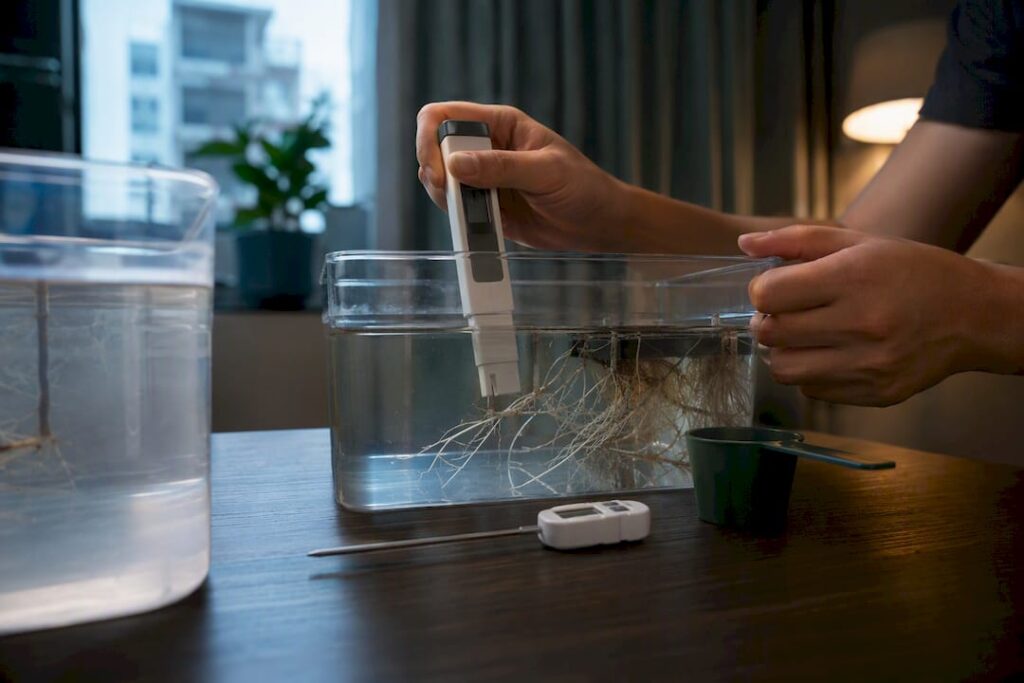
2. Checking Concentrations: Use a nutrient meter to measure the electrical conductivity (EC) of your solution, ensuring it is in the ideal range for your plant type.
3. Frequency and Dosage: Stick to the recommended dosage and schedule on the label. Over-fertilising can harm your plants and lead to nutrient lockout.
4. Watch for Signs: Look out for signs of nutrient deficiency or toxicity, such as yellowing leaves or browning edges, and adjust your solution accordingly.
Avoid common mistakes like neglecting to measure concentrations or deviating from the recommended feeding schedule, as these can disrupt plant growth.
Monitoring and Adjusting Hydroponic Fertilizers
Keeping a check on nutrient levels is like being attentive to your cooking—without regular stirring, even the best soup can go awry. For your hydroponic garden, this means regularly monitoring and adjusting the fertilizer solution to keep it balanced.
– Regular Testing: Use a pH meter every few days. The optimal pH for most hydroponic systems is slightly acidic, around 5.5 to 6.5.
– Tools for Success: Reliable pH and EC meters are essential tools. They help in tracking when adjustments are needed.
– Troubleshooting: If you notice plant issues like yellow leaves, it may indicate a nutrient imbalance or pH problem. Quick tweaks can get things back on track.
Consistent monitoring ensures that your plants are receiving everything they need to thrive without the risk of nutrient deficiencies or toxicities.
Nurture Your Hydroponic Garden With the Right Hydroponic Fertilizers
In Singapore’s humid climate, hydroponic gardening is especially suited due to the high levels of control over the growing environment. The constant warmth allows gardeners to grow a wide variety of plants all year round without worrying about soil-borne pests.
While nurturing your garden, consider rotating crops to manage disease pressure and using shade cloths during particularly sunny periods to prevent heat stress. Embrace the flexibility of hydroponics to experiment and see what works best for your space. This adaptable method not only maximises your yield but also makes it fun and flexible for gardeners in this vibrant city.
As you apply these insights and tips to your own hydroponic garden, remember that ongoing learning and experimentation are part of the process. With the right balance, you’ll be able to grow healthy plants and enjoy the fruits of your labour.
For those keen on maximising their green space and cultivating healthy plants at home, using the right hydroponics fertilizer is a game-changer. It’s the recipe for success in any hydroponic setup. Discover a range of options at Sprout Lab to support your gardening journey and turn your seedlings into robust, flourishing plants.
Using hydroponic fertilizers safely
Hydroponic fertilizers are formulated for soil-free growing, so follow the label for the system you use. Measure hydroponic fertilizers carefully, because plants take nutrients from the water directly.
Add hydroponic fertilizers to water, not the other way around, and mix thoroughly before use. Store hydroponic fertilizers sealed, cool and away from children and pets.
Watch plants after you change hydroponic fertilizers. Pale or curling leaves may mean the strength is wrong, so adjust gradually and check pH.
Our nutrient schedule guide and pH range guide go deeper on how to use hydroponic fertilizers.
Quick answers about fertilizers
How often should I add fertilizer? Follow the label for your system and test the solution regularly. Many growers change the full solution on a routine.
Can I use soil fertilizer in a hydroponic system? Use products made for hydroponics, because soil fertilizers may not dissolve or balance nutrients the same way.
What does a pale leaf mean? It can reflect nutrient, light or pH problems, so check all three before changing the dose.
Is stronger better? No. Over-concentrated solutions can burn roots, so measure carefully.
How should I store fertilizer? Keep it sealed, cool and away from children and pets, and follow the label.
Common fertilizer mistakes
Mixing at the wrong strength is the most frequent mistake, so measure each time.
Ignoring pH is another, because nutrients become less available when pH drifts out of range.
Changing several things at once makes it hard to see what helped, so adjust one factor at a time.
Hydroponic fertilizers: reading the label
Hydroponic fertilizers list the nutrients they supply and how to mix them. Read the label of your hydroponic fertilizers carefully before use, and keep the directions for reference.
Some hydroponic fertilizers come in several parts that must be mixed in a set order. Follow the order for your hydroponic fertilizers, because mixing parts together too early can cause problems.
Keep a note of the hydroponic fertilizers you use, the strength and the date. A record of hydroponic fertilizers helps you adjust when plants look unhappy.
Further reading
University of Illinois Extension’s home hydroponics guide recommends mixing concentrated nutrient solution at the label ratios, testing pH and EC weekly and changing the solution completely every two weeks, with most hydroponic plants doing well at a pH of about 5 to 6.