To mix soil well, start with what your plant needs rather than a fixed recipe. Taking care of plants involves more than just watering and sunlight. One crucial aspect often overlooked is the soil mix. This blend of ingredients forms the foundation in which plants grow and thrive. Soil isn’t merely dirt; it acts as the provider of nutrients that plants need to grow. Having a tailored soil mix can make a huge difference in the health and vitality of your beloved greens. Creating the right soil mix involves choosing components that cater to a plant’s particular needs.
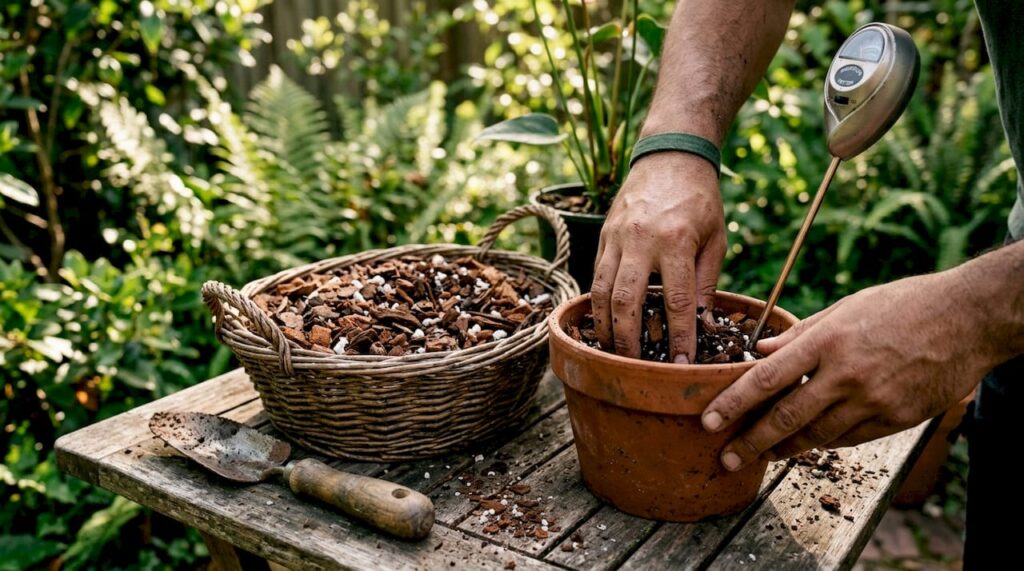
Customising your soil isn’t just about helping plants grow—it’s about giving them the best environment to flourish. Different plants have unique preferences when it comes to soil. Some crave well-draining sandy soils, while others prefer moisture-retaining mixtures. Understanding what each plant variety needs helps you make informed choices, ensuring a lush and healthy garden. Knowing how to mix soil specifically for various plant types can significantly enhance your gardening success and transform your space into a vibrant oasis.
Assessing Plant Needs Before You Mix Soil
Before whipping up a batch of soil mix, it’s essential to get to know your plants better. Every plant family has its own set of requirements, influenced by its natural habitat. Here’s how you can start:
– Identify Before You Mix: Examine where each plant species originates. Tropical plants, for instance, love a humus-rich, moisture-retentive mix, while succulents thrive in sandy, quick-draining soils.
– Consider The Basics:
– Water Retention: Determine how much moisture each plant likes. Does it thrive in dry conditions, or does it prefer to be damp?
– Drainage Needs: Drainage is about how fast water passes through the soil. Slow drainage can cause root rot, whereas fast drainage might deprive plants of necessary hydration.
– Nutrient Requirements: Some plants are heavy feeders, needing nutrient-rich soil to look their best, while others make do with less.
By taking these factors into account, you tailor the soil mix to mimic the native conditions plants would naturally thrive in. This not only supports their growth but also reduces potential problems. Next, we’ll explore what makes up a versatile soil mix, laying down the groundwork needed to keep your garden looking its finest.
Basic Components When You Mix Soil
Creating the ideal soil mix requires understanding what goes into it. Each component has a unique role in supporting plant growth. Here’s a breakdown of the essential ingredients:
– Peat Moss, Compost, and Organic Matter: These are great at retaining moisture and providing nutrients. Peat moss helps maintain an acidic pH, which some plants prefer. Compost introduces beneficial microbes, enriching the soil and encouraging plant growth. Adding various organic matters, like shredded leaves, further improves the soil’s structure and nutrient content.
– Sand, Perlite, and Vermiculite: These materials enhance drainage, preventing excess water from sitting around the roots, which can lead to rot. Perlite is a lightweight volcanic rock that aids in aeration, while vermiculite helps with water retention. Sand is effective at increasing drainage and loosening the mix. Together, they create a balanced environment, ensuring roots get enough air and water.
– Adding Fertilisers and Nutrients: Plant growth can be boosted with the right fertilisers. Organic options like bone meal and blood meal provide slow-release nutrients. Consider specific fertilisers based on plant needs, such as nitrogen-rich options for leafy plants.
How to Mix Soil for Popular Plant Types
Let’s look at some typical soil mixes to cater to popular houseplants. Tailoring mixes to their specific needs can make a big difference in their health and growth.
– Soil Mix for Succulents and Cacti: These desert dwellers need well-draining soil. A mix of sand, perlite, and potting soil works wonders. Aim for a sandy texture that mimics their natural environment, allowing excess water to quickly escape.
– Ideal Mix for Tropical Plants: Many tropical plants thrive in soil that’s rich and retains moisture. Combine peat moss, compost, and a bit of perlite. This mix keeps the soil moist but not too wet, just like the conditions found in tropical climates.
– Special Requirements for Herbs and Flowering Plants: Most herbs appreciate a loamy soil that drains well but holds nutrients. Blend garden soil, compost, and perlite. For flowering plants, a slightly richer mix with added organic fertiliser can enhance blooming.
How to Mix Soil Properly and Store It
Once you’ve chosen the right mix for your plants, putting it together is straightforward. Here’s a simple guide:
1. Gather Materials: Ensure you have all ingredients ready. Use a clean bucket or wheelbarrow for mixing.
2. Measure and Mix: Measure out each component as needed for your specific plant type. Thoroughly combine them to ensure even distribution of drainage and nutrient components.
3. Adjust as Needed: Check the moisture level by gripping a handful. If it clumps without dripping, it’s just right. Adjust with more sand or compost as necessary.
4. Store Properly: Keep any leftover mix in a sealed container away from direct sunlight and moisture. This maintains its quality for future use.
Mix Soil Well to Create Your Ideal Indoor Garden
Crafting the right soil mix forms the backbone of successful indoor plant care. A well-mixed soil doesn’t just feed plants; it helps them resist disease and stay vigorous. The benefits are clear: healthy plants with robust growth and vibrant colours.
In Singapore’s tropical climate, providing your indoor plants with a mix that reflects their natural conditions can turn your garden into a verdant retreat. By understanding and applying these principles, you set the stage for a thriving home garden filled with lush, happy plants.
To wrap up your gardening efforts with the best results, consider exploring the right blend for your plants. Achieving this involves using a high-quality soil mix that caters to specific plant needs, ensuring they thrive beautifully indoors. Let Sprout Lab help you cultivate a lush indoor oasis effortlessly.
Mix soil for your plant, not for a recipe
When you mix soil, think about what the roots need: air, moisture and some support. Mix soil with coarse material for plants that like to dry between waterings, and with moisture-holding material for thirsty ones.
Mix soil in a clean container and add water until it is lightly damp, not soggy. A properly damp mix is easier to pot and settles evenly.
Store leftover mix in a sealed container in a cool place. When you mix soil in bulk, label it so you know what it contains.
If you would rather not mix soil yourself, compare our soil mixes and use the Which Mix finder to choose.
Quick answers about soil mixes
What does soil need to do for roots? It should provide air, moisture and support. The balance depends on the plant.
Can I use garden soil in pots? Garden soil can compact in a pot, so many growers use a potting mix instead.
How do I make a mix drain faster? Add coarse material such as bark or perlite to the mix, then watch how the plant responds.
How do I make it hold more water? Use moisture-holding material and a pot size that fits the roots, and check watering habits.
How long can I store mixed soil? Keep it sealed, cool and dry, and check it for mould or odour before use.
Common soil mixing mistakes
Using one mix for every plant is the most common mistake, because roots differ in what they need.
Packing the mix too tightly can reduce air space, so fill pots gently.
Reusing old soil after a root problem can carry problems forward, so refresh it.
Mix soil step by step
To mix soil, measure the parts by volume, add them to a clean container and mix soil until it looks even. Mix soil a little at a time so you can adjust.
Dampen the mix lightly after you mix soil, and test it in one pot before you mix soil for the whole collection.
If a plant struggles after you mix soil for it, check watering and light before changing the mix again.
Further reading
For background on soilless potting media, see the University of Connecticut’s guide to potting media, which explains that soilless mixes contain no soil mineral particles and that perlite improves drainage and aeration.